
UltraClear® Laser in Arizona for Scar Revision and Facial Rejuvenation
UltraClear Laser is an advanced cold fiber laser that can improve scars, uneven skin texture, pigmentation, fine lines, wrinkles, and other visible signs of skin damage. At Chrysalis Skin & Scar, UltraClear is used for both scar revision and facial rejuvenation, with treatment settings selected according to the patient’s skin type, tissue quality, concerns, and recovery goals.
Patients from Gilbert, Scottsdale, Chandler, and throughout the Phoenix area can schedule a consultation to determine which UltraClear treatment approach is appropriate.
What Is the UltraClear Laser?
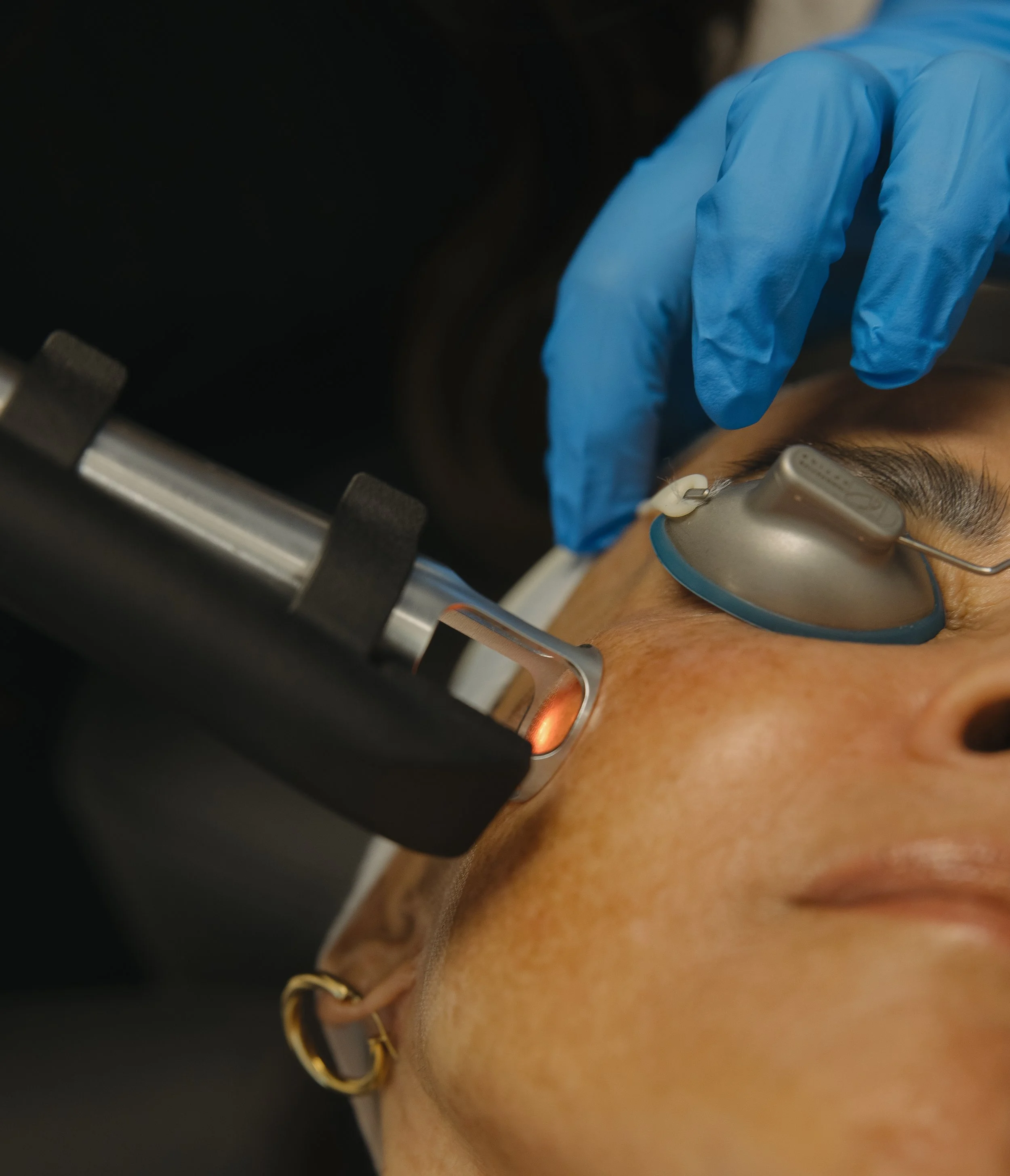
UltraClear is an FDA cleared fractional fiber laser that uses cold fiber technology to deliver precise laser energy while limiting unnecessary heat to surrounding tissue.
The laser can remove targeted areas of damaged surface skin while delivering controlled energy deeper within the tissue to support collagen remodeling and natural renewal.
Because treatment depth and intensity can be adjusted, UltraClear can address both more superficial concerns, such as pigmentation and uneven texture, and deeper concerns involving scars, wrinkles, and damaged tissue.
What Can UltraClear Treat?
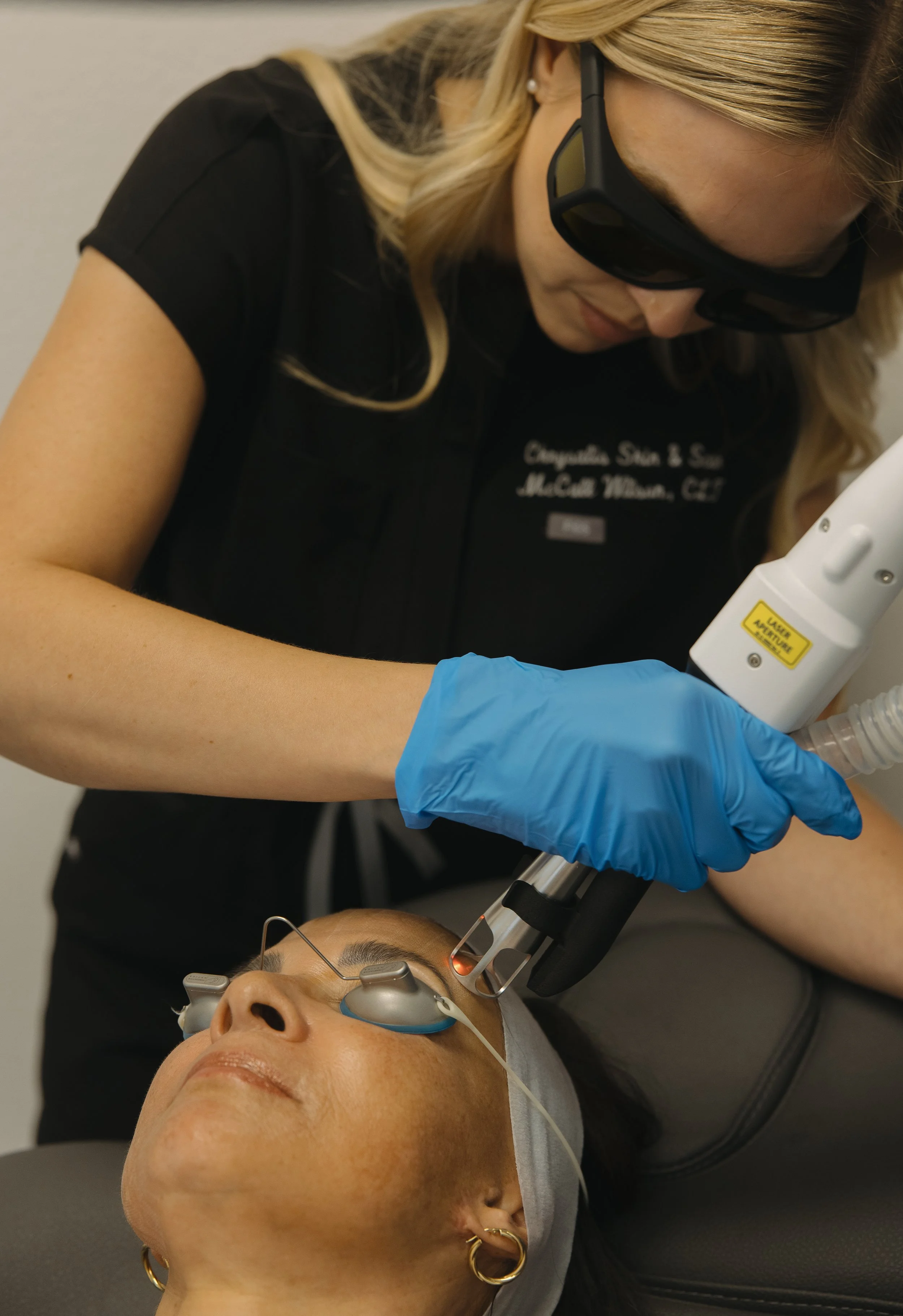
UltraClear can treat a broad range of skin and scar concerns because the treatment can be adjusted according to the depth and condition of the tissue.
UltraClear may be used for:
Surgical scars
Acne scars
Burn and traumatic scars
Hypertrophic and raised scars
Hyperpigmented scars
Fine lines and wrinkles
Uneven skin texture
Sun damage
Age spots
Uneven pigmentation
Red and brown discoloration
Rough or damaged skin
General facial rejuvenation
Treatment recommendations depend on the concern, skin type, treatment area, and desired amount of correction.
How Does UltraClear Help Improve Scars?
UltraClear improves scars by targeting damaged tissue while encouraging a controlled remodeling response within the skin.
Depending on the scar, treatment may help:
Smooth uneven scar texture
Improve depressed acne scars
Reduce visible pigmentation differences
Improve thick or irregular scar tissue
Support collagen remodeling
Improve overall tissue quality
Blend the transition between scarred and surrounding skin
At Chrysalis, scars are evaluated as changes within the tissue rather than simply marks on the surface. Firmness, pigmentation, thickness, flexibility, texture, and previous healing are all considered when developing the treatment plan.
What Types of Scars Can UltraClear Treat?
UltraClear may be appropriate for several types of scars, including:
Surgical scars
Plastic surgery scars
C section scars
Mastectomy scars
Post Mohs surgery scars
Orthopedic surgery scars
Acne scars
Burn scars
Traumatic scars
Hypertrophic scars
Keloid type scar tissue
Hyperpigmented scars
Older scars can also be evaluated. The age of a scar is only one factor in determining which treatment is most appropriate.
How Does UltraClear Improve the Face?
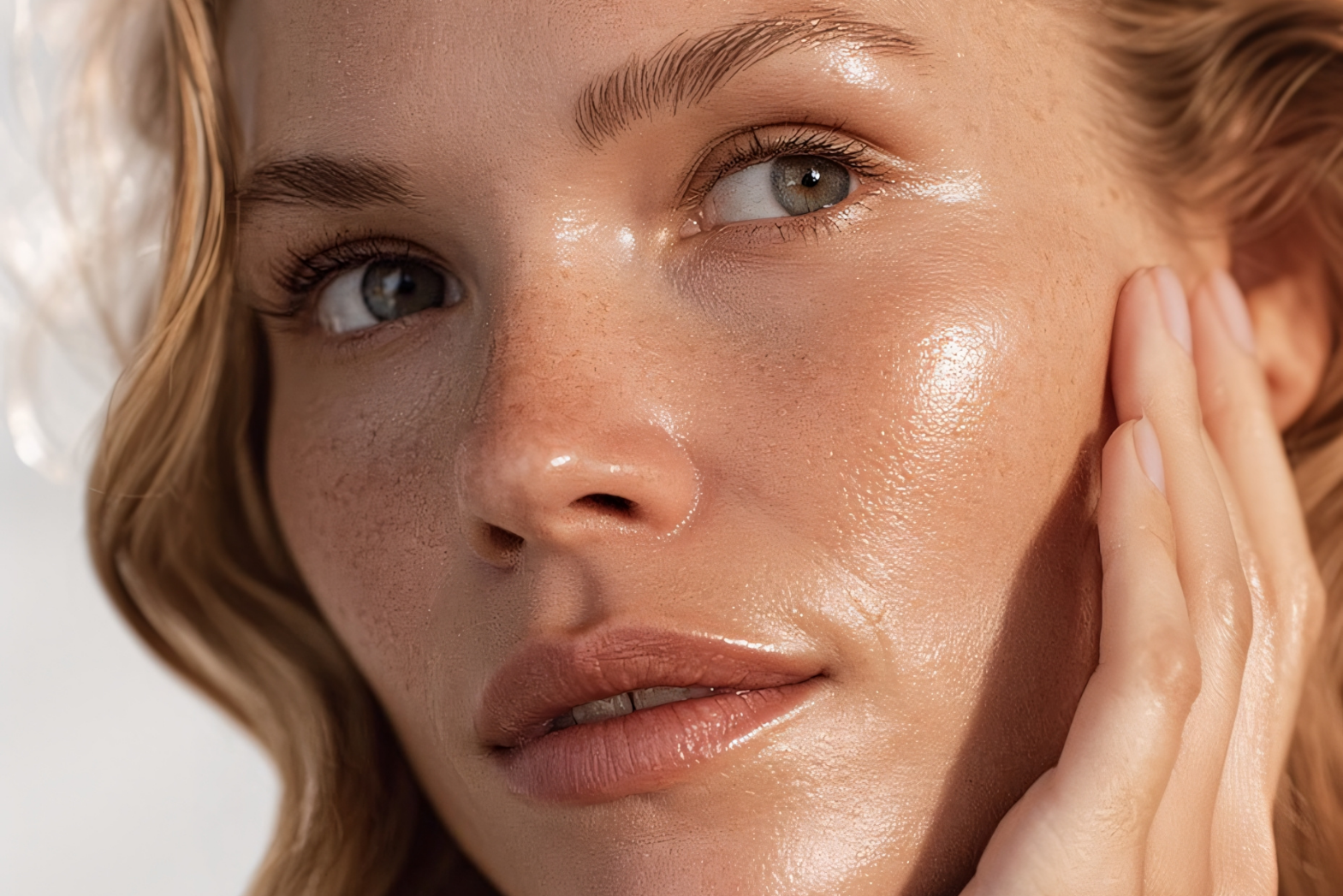
UltraClear facial rejuvenation works by resurfacing damaged skin while supporting deeper tissue remodeling.
Treatment may improve:
Fine lines
Wrinkles
Uneven texture
Rough skin
Sun related pigmentation
Age spots
Acne scars
Uneven tone
Areas of visible skin damage
UltraClear treatments can range from lighter resurfacing with shorter recovery to more intensive treatments designed for deeper correction.
This allows treatment to be selected according to whether the patient wants subtle skin renewal or more significant improvement in texture, wrinkles, pigmentation, or scarring.
What Is UltraClear Laser-Coring?
UltraClear Laser Coring is a more targeted treatment that may be used for selected areas of thickened, raised, or restrictive tissue.
Laser Coring creates precise channels within targeted tissue to encourage deeper remodeling. At Chrysalis, it may be considered for hypertrophic scars, keloid type scars, and other scars where firmness or thickness is a significant concern.
Laser Coring is different from lighter UltraClear facial resurfacing, and candidacy depends on the scar, skin type, treatment location, and desired outcome.
Is UltraClear Safe for Different Skin Tones?
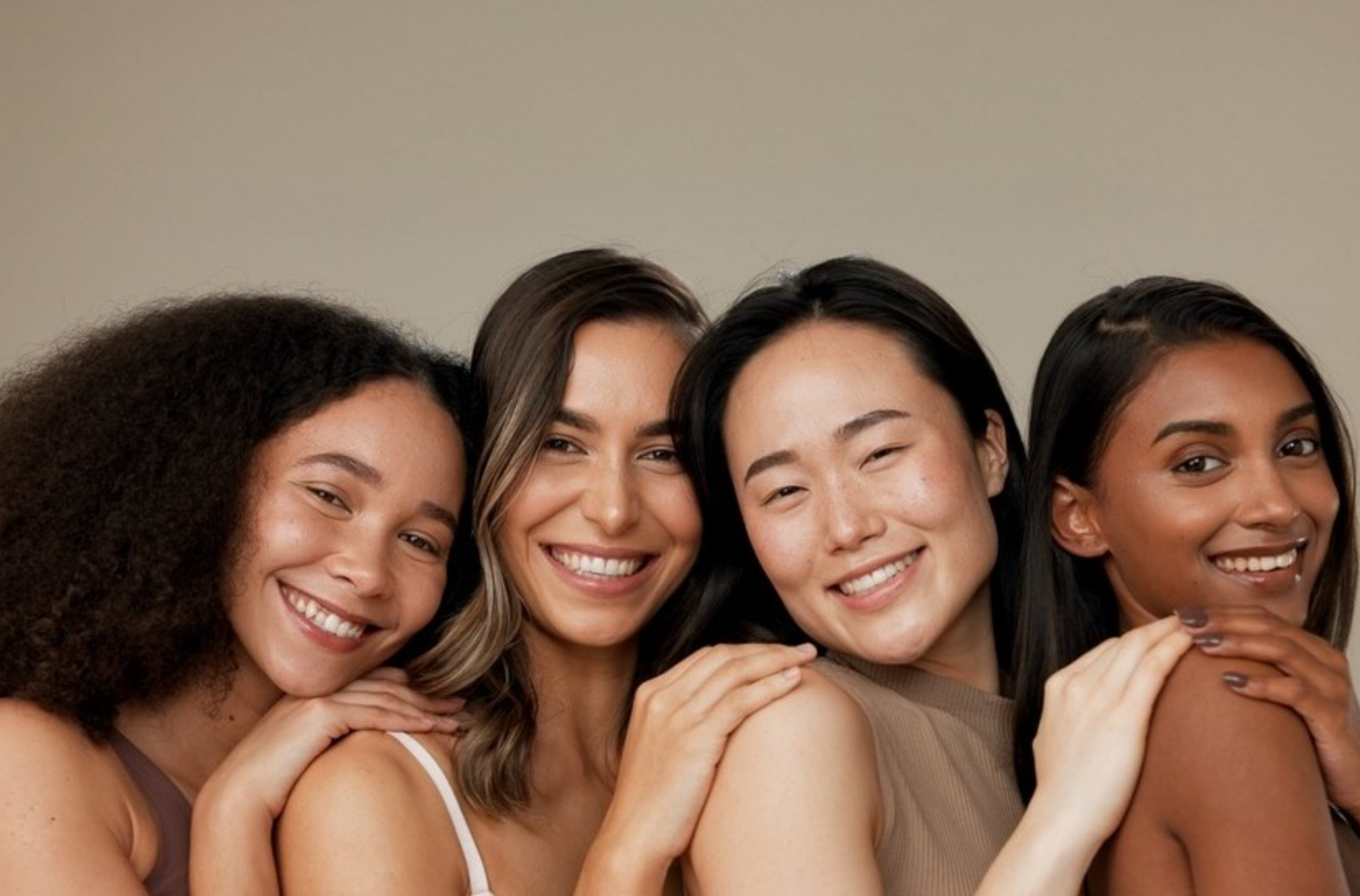
Yes. UltraClear’s cold fiber technology and precise energy control allow many treatment modes to be used across a broad range of skin tones, including darker Fitzpatrick skin types.
This is especially valuable for patients seeking treatment for pigmentation, acne scars, or other concerns who may have an increased risk of post-inflammatory hyperpigmentation with some traditional laser technologies.
However, treatment settings must still be individualized. Laser Coring also has separate candidacy considerations and is not used the same way across every skin type.
How Long Is UltraClear Downtime?
UltraClear downtime can range from a few days for lighter treatments to several days or longer after deeper treatment.
Patients may notice:
Redness
Dryness
Peeling
Temporary sensitivity
Mild swelling
Lighter resurfacing may involve approximately two to four days of visible recovery. Deeper treatment may require approximately three to five days or longer depending on treatment intensity and the area treated.
When Will I See UltraClear Results?
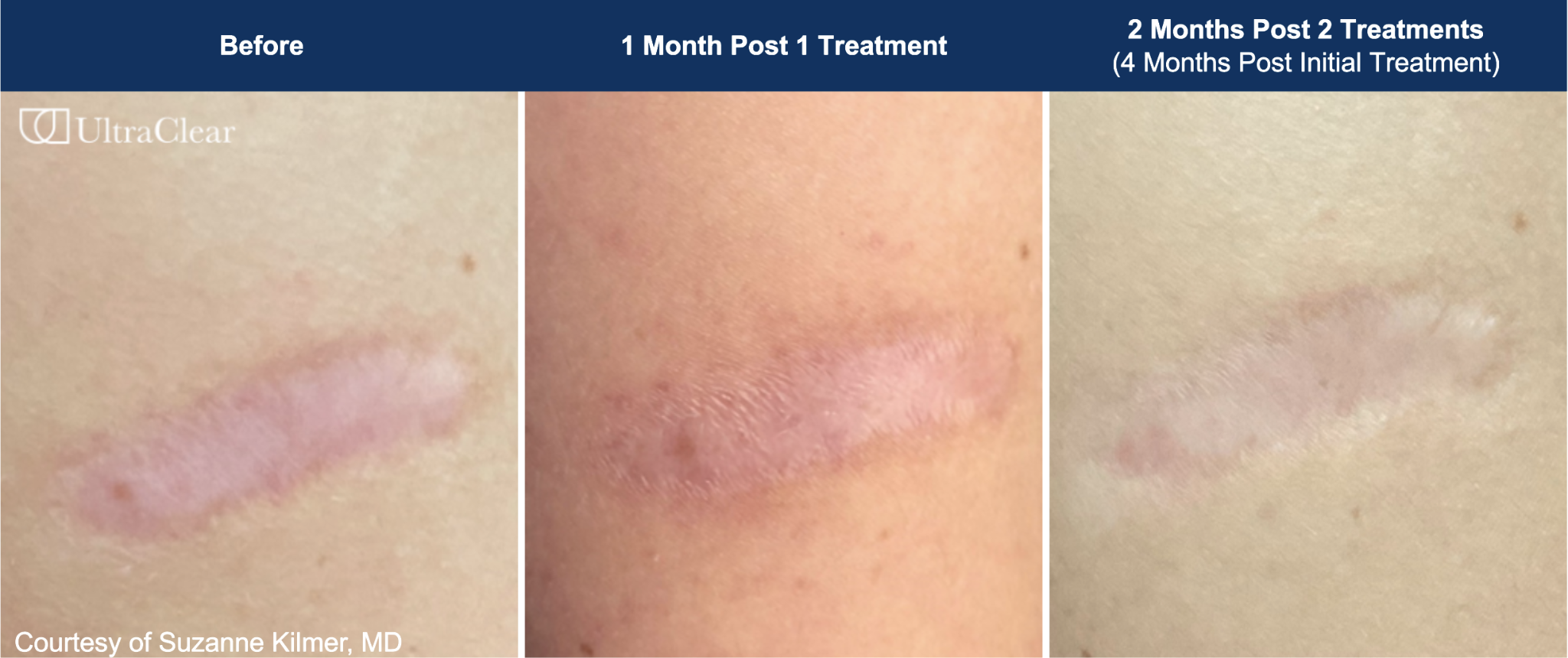
Early improvements in texture and tone may become visible within several days, while deeper results continue developing over the following weeks and months.
For facial rejuvenation, patients may begin noticing smoother texture, more even pigmentation, and improved skin quality as healing progresses.
For scar revision, improvement is usually more gradual as the treated tissue continues to remodel.
With deeper UltraClear treatments, changes may continue to develop for months and potentially up to a year.
How Long Do UltraClear Results Last?
UltraClear results can last for years, although longevity depends on treatment depth, skin condition, scar characteristics, sun exposure, aging, and individual response.
For facial rejuvenation, natural aging continues after treatment, so future maintenance may be recommended.
For scar revision, the improvement comes from changes within the treated tissue rather than a temporary surface effect. Some scars may require multiple sessions or combination treatment to achieve the desired improvement.
Can UltraClear Be Combined With Other Treatments?
Yes. UltraClear may be combined with other technologies when several concerns need to be addressed.
For scar revision, Chrysalis may incorporate UltraClear with:
XERF radiofrequency
Other radiofrequency treatments
Microneedling
Vascular laser treatment
Biologic therapies
Lymphatic therapy
Paramedical scar camouflage
For facial rejuvenation, the treatment plan may also be adjusted according to concerns involving texture, pigmentation, firmness, and overall skin quality.
Why Choose Chrysalis Skin & Scar for UltraClear Laser?
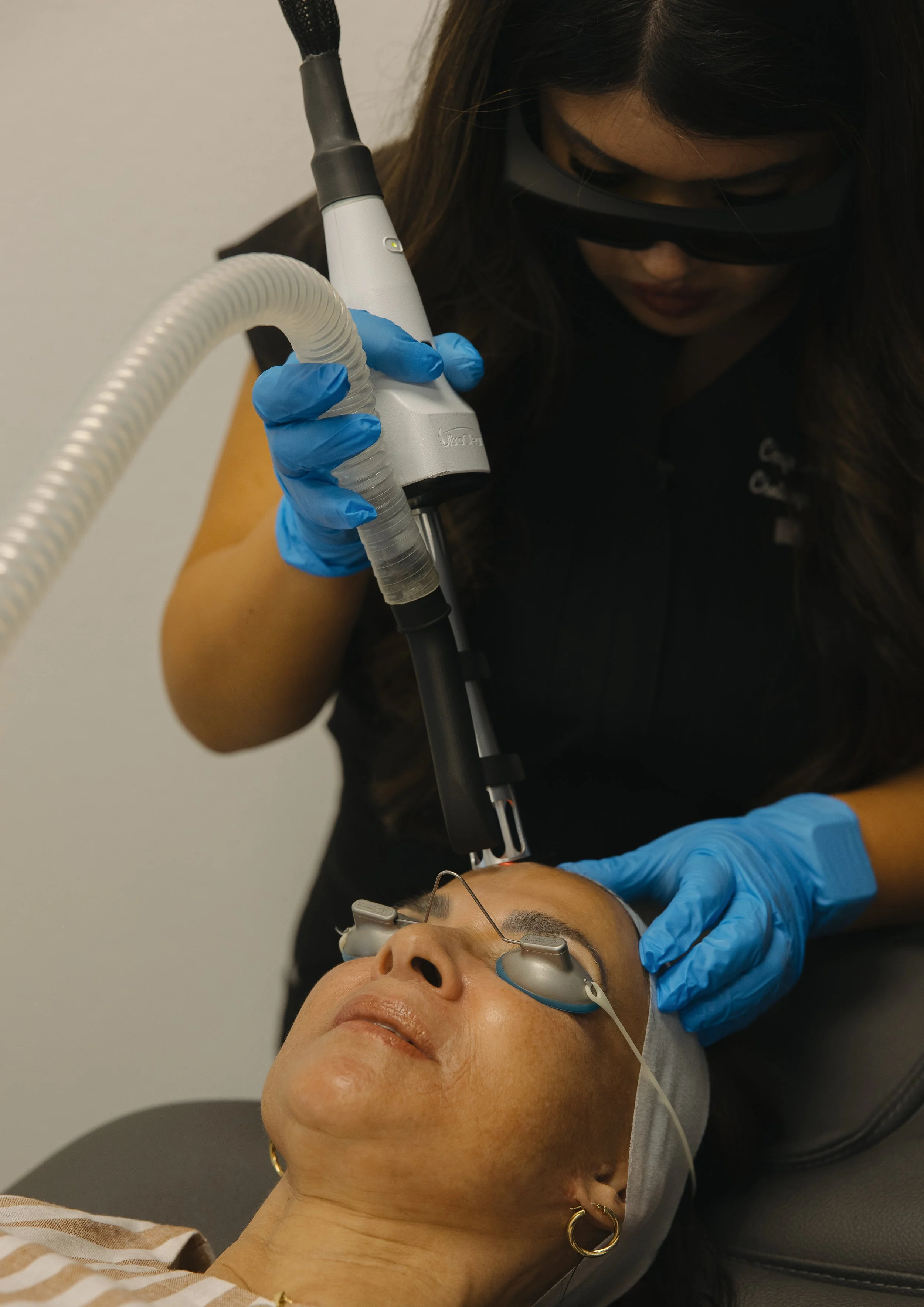
Chrysalis Skin & Scar approaches UltraClear from both a scar revision and skin health perspective.
For scar patients, our providers evaluate the tissue beneath and around the scar, including firmness, pigmentation, texture, flexibility, and previous healing.
For facial rejuvenation patients, treatment is selected according to skin quality, pigmentation, texture, wrinkles, and the amount of correction desired.
Because Chrysalis offers multiple laser and radiofrequency technologies, UltraClear does not have to be used as a one size fits all treatment. Each plan is developed according to the patient’s individual concerns.
Patients from Scottsdale, Gilbert, Chandler, and the greater Phoenix area can schedule an UltraClear consultation at Chrysalis Skin & Scar.
UltraClear Laser FAQs
-
Downtime after UltraClear Laser depends on the depth and intensity of the treatment. Lighter treatments may involve about two to four days of redness, dryness, or peeling, while deeper resurfacing may require several days or longer. Patients receiving UltraClear for scar revision may also have a different recovery timeline than those receiving lighter facial rejuvenation treatments. Your provider will explain what to expect based on the area treated and the settings used.
-
UltraClear and CO2 laser resurfacing use different technologies and are selected based on the patient’s skin type, concerns, and desired recovery. UltraClear uses cold fiber laser technology designed to deliver controlled energy while limiting unnecessary thermal damage to surrounding tissue. This may make it an option for patients seeking skin resurfacing with a different recovery profile or for certain skin tones that require additional consideration with traditional lasers. The better choice depends on whether the goal is scar revision, facial rejuvenation, pigmentation improvement, or deeper resurfacing.
-
Yes. UltraClear can be used to improve acne scars by resurfacing uneven skin and supporting collagen remodeling beneath the surface. Treatment may be adjusted according to the depth and type of acne scarring, including pitted or textural scars. Some patients may benefit from more than one treatment or from combining UltraClear with another scar revision modality. A consultation helps determine the most appropriate approach for the individual scar pattern.
-
Yes. UltraClear may help improve surgical scars that have uneven texture, discoloration, thickness, or other visible tissue changes. At Chrysalis Skin & Scar, it may be considered for scars following procedures such as C sections, mastectomy, plastic surgery, orthopedic surgery, and Mohs surgery. Treatment depth and settings are selected based on the scar’s age, location, tissue quality, and healing history. UltraClear may also be combined with other scar treatments when several concerns are present.
-
UltraClear can be used on a broad range of skin tones because its cold fiber technology allows precise control of laser energy. This can be especially important for patients with darker skin who may have a higher risk of post inflammatory hyperpigmentation with certain laser treatments. However, treatment settings must still be selected carefully according to the patient’s Fitzpatrick skin type and the concern being treated. Laser Coring has separate candidacy considerations and may not be appropriate for every skin type.
-
Some patients may see meaningful improvement after one UltraClear treatment, while others may benefit from a series. The number of treatments depends on whether UltraClear is being used for acne scars, surgical scars, pigmentation, wrinkles, texture, or broader facial rejuvenation. Treatment intensity, skin type, scar depth, and individual goals also affect the plan. Your Chrysalis provider will recommend the appropriate number of sessions after evaluating the treatment area.
-
Some patients begin noticing improvements in skin texture and tone within several days after treatment. Deeper changes continue to develop over the following weeks and months as the treated tissue remodels. For scar revision, improvement may occur more gradually as texture, pigmentation, and tissue quality change over time. With deeper UltraClear treatments, continued improvement may occur for several months and potentially up to a year.
-
The main difference is the treatment goal and the depth or intensity of the laser settings selected. For facial rejuvenation, UltraClear may be used to improve fine lines, wrinkles, sun damage, pigmentation, and uneven skin texture. For scar revision, treatment is focused more specifically on damaged or irregular tissue, including acne scars, surgical scars, burn scars, and other areas of scar related texture or pigmentation. Chrysalis adjusts the treatment plan based on the tissue being treated rather than using the same UltraClear settings for every patient.