

Scar Types and Treatment in Arizona
Scar revision improves the appearance, texture, color, and flexibility of scar tissue through clinically directed treatments that support collagen remodeling and tissue integrity.
At Chrysalis Skin & Scar, scar treatment may include laser scar revision, Laser Coring, microneedling, radiofrequency, biologics, lymphatic support, and paramedical camouflage.
What Is Scar Revision?
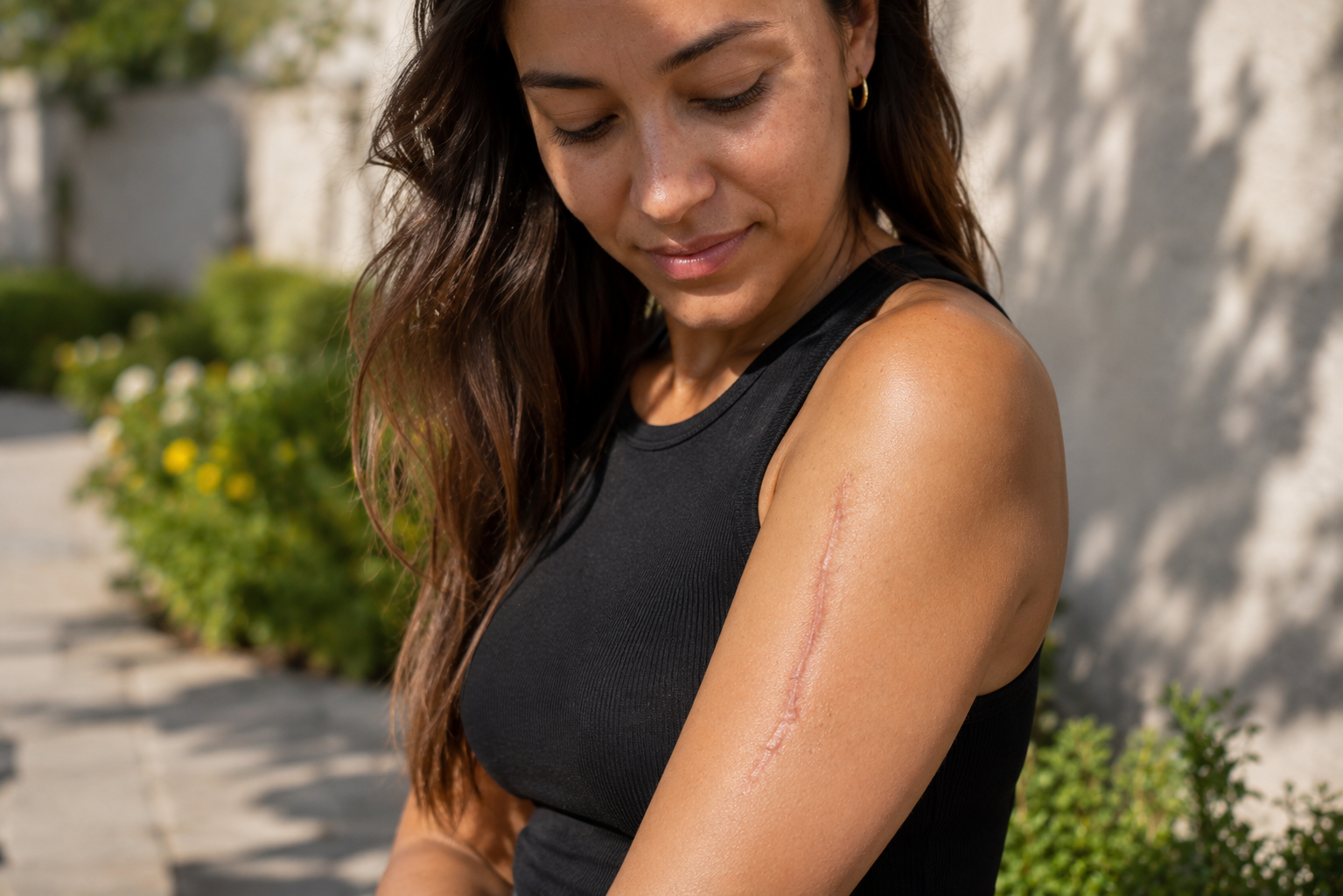
Scar revision is a clinical approach used to improve how a scar looks, feels, and functions. It may help soften thick tissue, improve uneven texture, reduce discoloration, flatten raised scars, and support healthier movement in tight or restricted scar tissue.
Scar revision does not erase a scar completely. Instead, the goal is scar improvement through thoughtful treatment planning, collagen remodeling, and long-term tissue support.
Many types of scars can be treated, including surgical scars, facial scars, forehead scars, acne scars, burn scars, trauma scars, keloid scars, hypertrophic scars, and hyperpigmented scars. Each scar type behaves differently, which is why treatment should begin with a detailed clinical evaluation.
What Types of Scars Can be Treated?
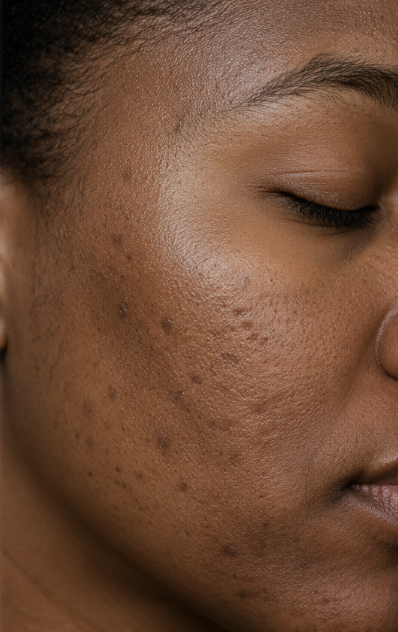
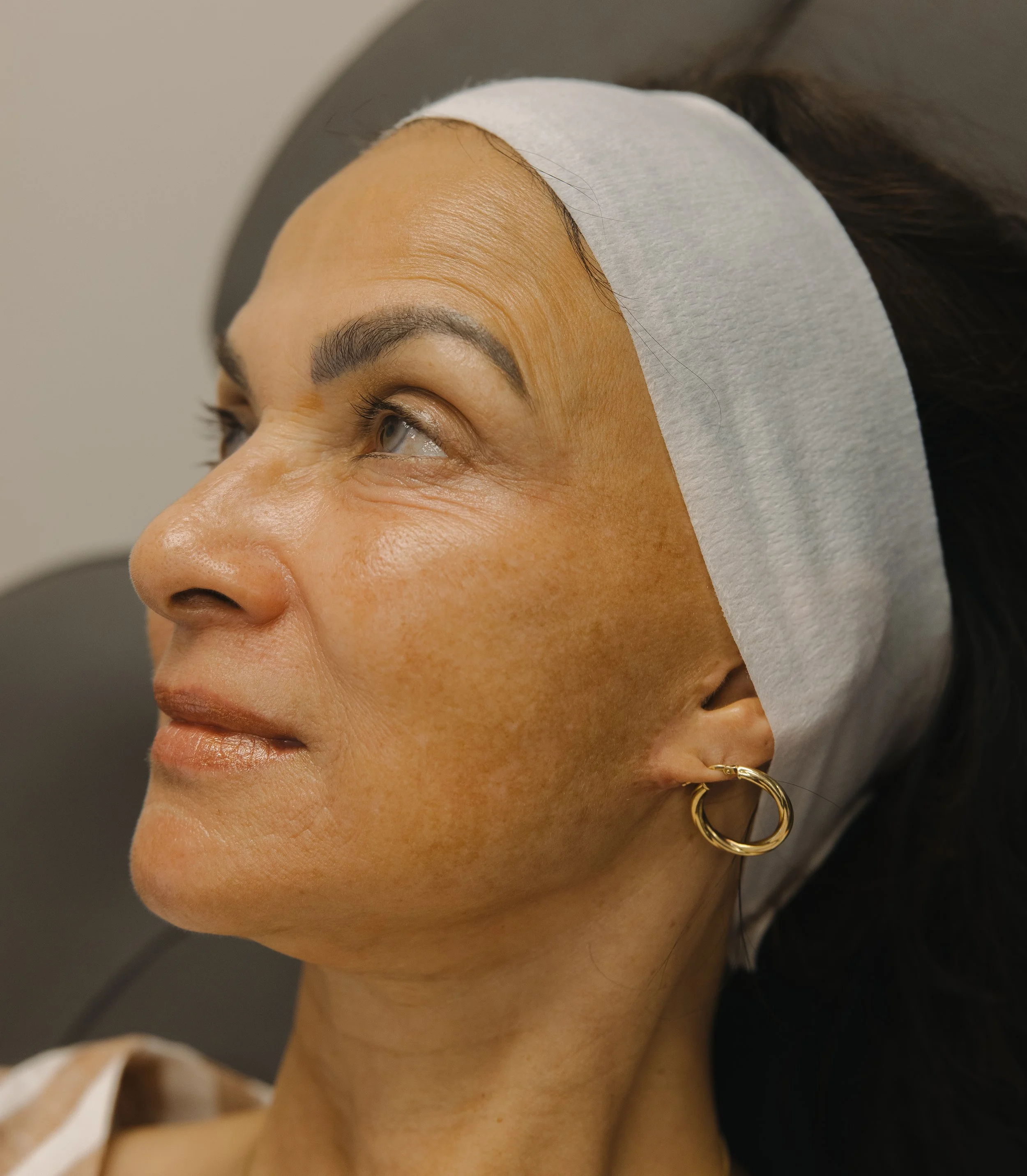
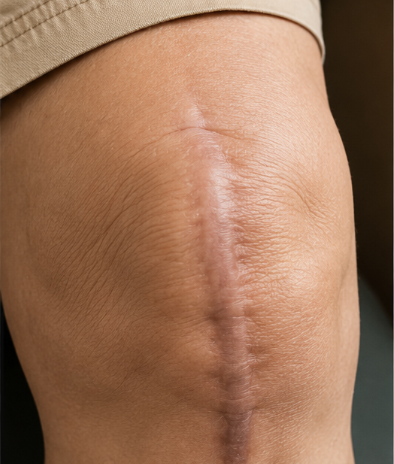
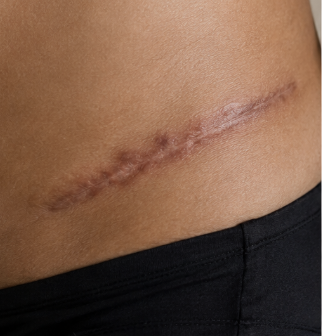
Common scar types treated at Chrysalis Skin & Scar include:
Surgical scars from plastic surgery, C sections, mastectomy, knee replacement, Mohs surgery, and other procedures
Facial scar revision for scars on the cheeks, nose, chin, forehead, ears, or jawline
Forehead scar revision for visible scars in a high movement area
Acne scars, including rolling, boxcar, ice pick, pitted, and tethered scars
Keloid and hypertrophic scars that appear raised, thick, or firm
Burn and trauma scars that may affect color, texture, and mobility
Hyperpigmented or hypopigmented scars that appear darker or lighter than the surrounding skin
Self harm scars treated with discretion, respect, and clinical care
What Does Laser Scar Revision Work?
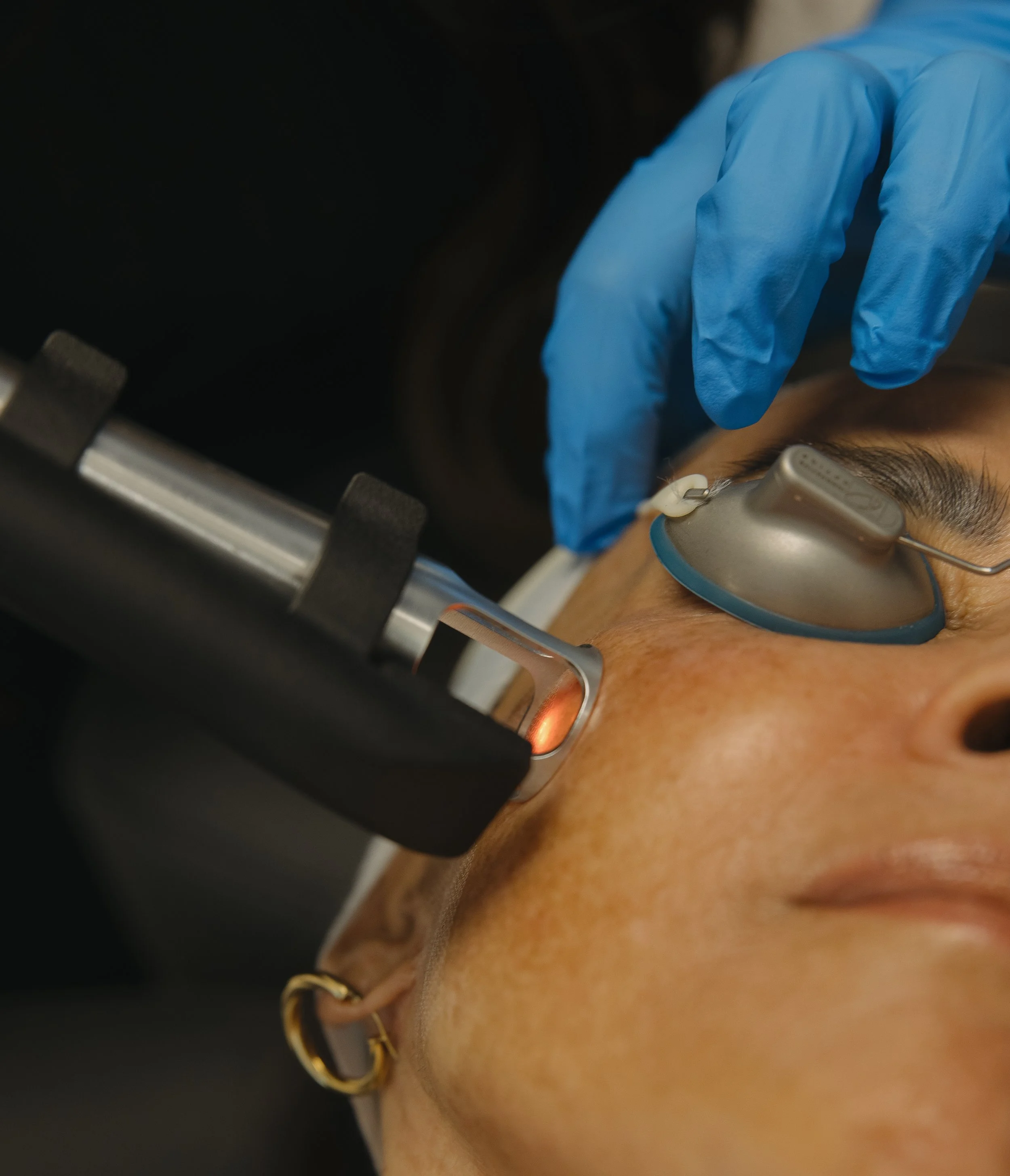
Laser scar revision uses focused laser energy to stimulate collagen remodeling and improve scar texture, color, thickness, and pliability. At Chrysalis Skin & Scar, UltraClear may be used as part of scar laser treatment because it can support precise scar revision across a wide range of skin types and tones.
Laser treatment for scars may help improve:
Raised or thickened scar tissue
Uneven scar texture
Redness or discoloration
Tight or firm scar tissue
Surgical scars and facial scars
Keloid or hypertrophic scars when clinically appropriate
A laser for scar revision is often part of a larger plan rather than a single step. Depending on the scar, treatment may also include microneedling, radiofrequency, biologics, lymphatic support, or paramedical camouflage.
What Is Laser-Coring for Raised or Thick Scars?
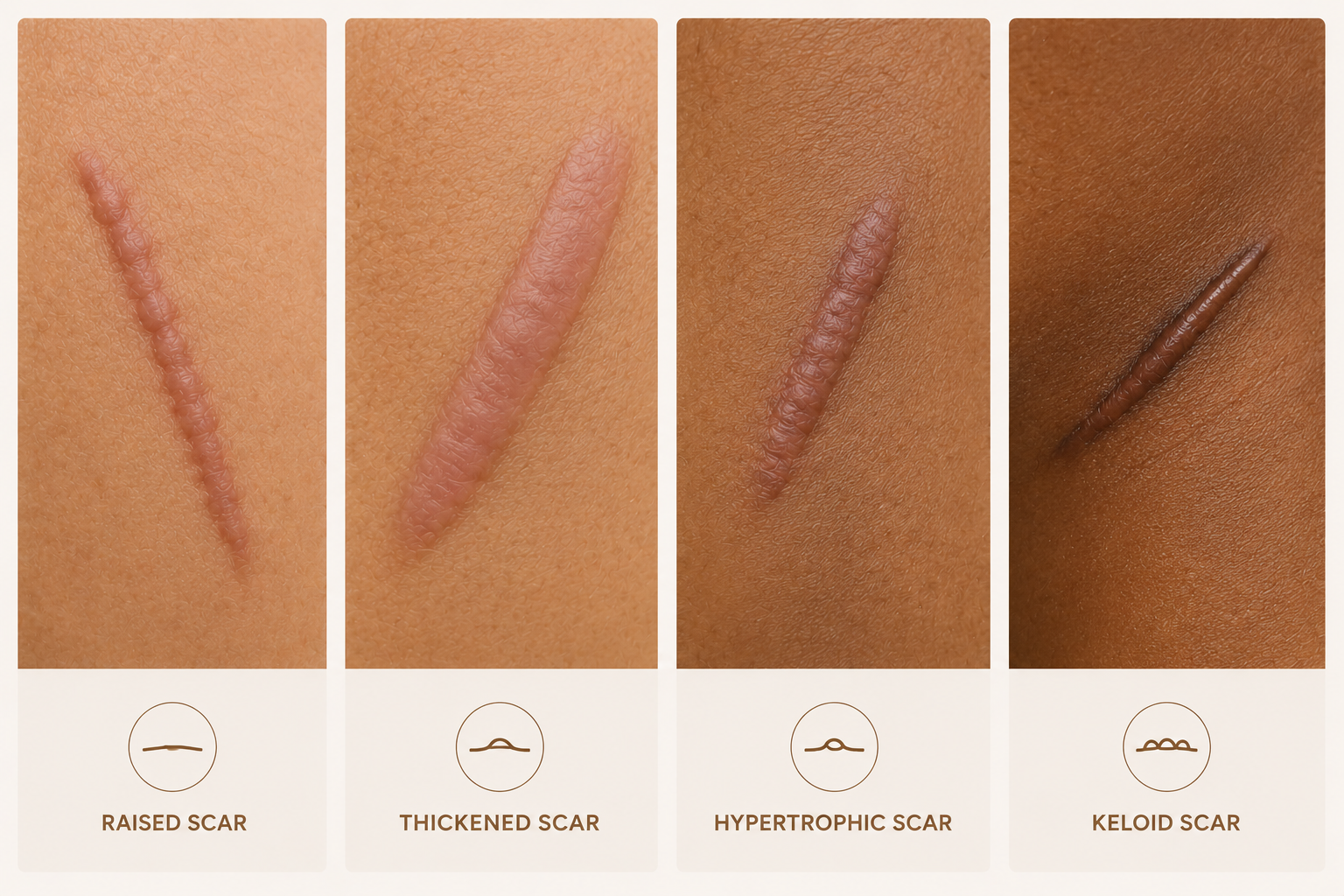
Laser Coring is a scar revision technique that may be used for raised, thickened, hypertrophic, or keloid type scars. This approach helps create controlled channels in dense scar tissue so the area can remodel more effectively over time.
Laser Coring may be recommended when a scar is firm, bulky, raised, or difficult to soften with surface level treatments alone. It can also be paired with other clinical options to support flattening, texture improvement, and better tissue flexibility.
What Are the Best Scar Revision Techniques?
The best scar revision techniques depend on the scar type, location, age, depth, color, and how the tissue responds to healing. A surgical scar revision plan is different from a laser scar revision plan, and many scars need more than one treatment method for meaningful improvement.
Scar revision techniques may include:
Improving texture, thickness, color, and collagen remodeling
Laser Coring for raised, thick, or resistant scars
Microneedling to support collagen remodeling in pitted or uneven scars
Radiofrequency to improve firmness, texture, and scar pliability
Biologics to support tissue repair and scar quality
Lymphatic support to help reduce fluid buildup, fibrosis, and adhesion formation after surgery
Camouflage tattooing for color correction after clinical treatment

When Should Surgical Scar Revision Start?
Surgical scar revision can begin at different stages depending on where the patient is in the healing process. Early support may begin soon after surgery to help guide wound healing, while active scar treatment often begins once the wound has durable closure.
At Chrysalis Skin & Scar, scar care can be considered in three stages:
Early Healing Support
Early care may begin soon after surgery when the goal is to support healthy healing and reduce the risk of excessive scar formation. This stage may include non contact ultrasound therapy, lymphatic support, and close monitoring of tissue response.
Active Scar Revision
Once the tissue is fully closed and ready for treatment, active scar revision may begin. This stage may include laser scar revision, microneedling, radiofrequency, biologics, or Laser Coring depending on the scar type.
Final Scar Refinement
When the scar is flatter, softer, and more stable, final refinement may focus on color blending and cosmetic visibility. Paramedical camouflage may be considered for scars that are fully healed and clinically appropriate.
What Makes Facial Scar Revision Different?
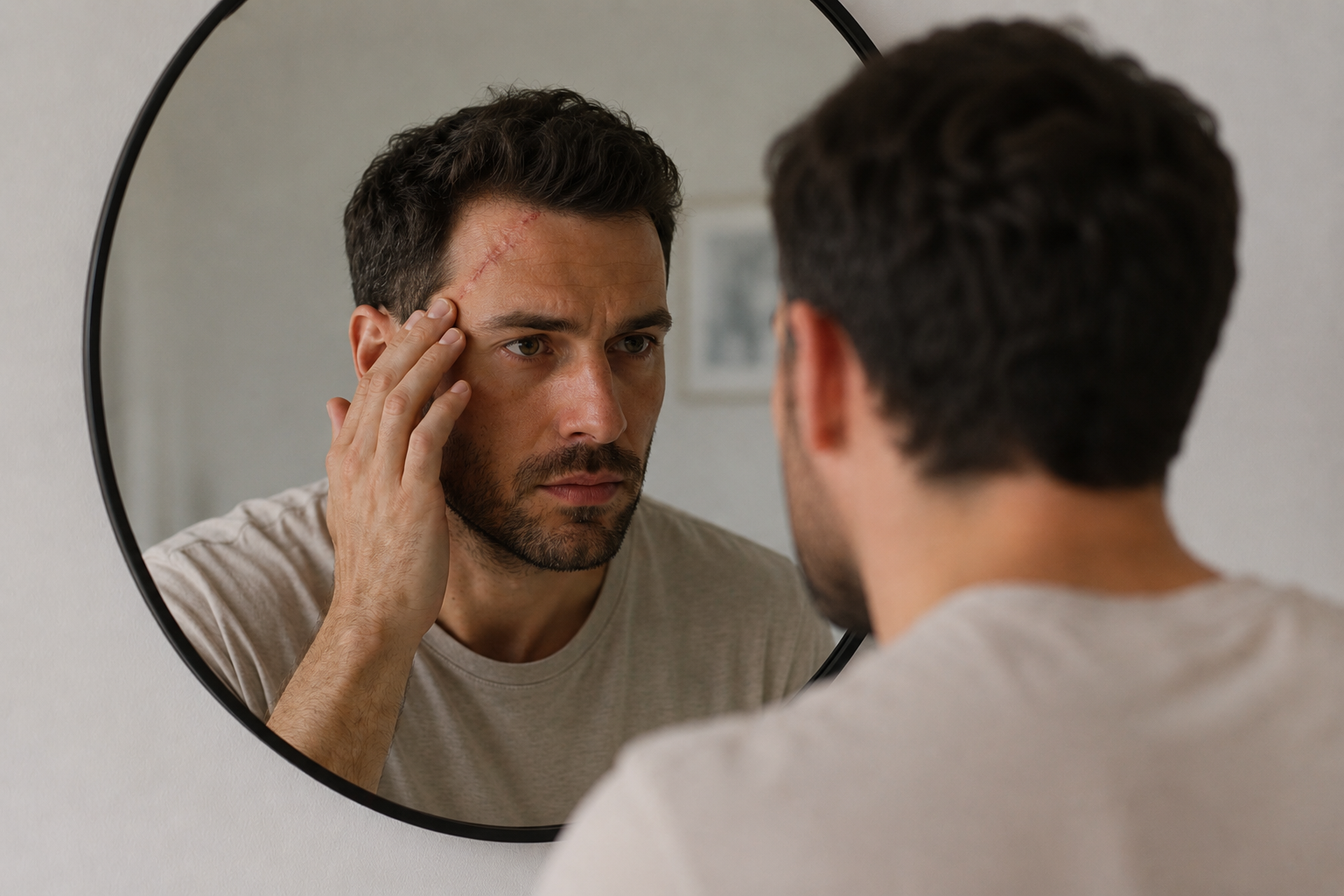
Facial scar revision requires a careful approach because facial skin is thinner, more vascular, and constantly affected by expression and movement. Scars on the forehead, cheeks, nose, chin, jawline, and around the ears may need precise treatment planning to protect surrounding tissue while improving scar visibility.
Facial scar revision may include laser scar revision, microneedling, biologics, or paramedical camouflage depending on the scar. Forehead scar revision may also require special attention because repeated muscle movement can affect how the scar heals and responds to treatment.
Can Old Scars Be Treated?

Yes, old scars can often be treated. Even if a scar has been present for years, scar laser treatment, microneedling, radiofrequency, biologics, or camouflage may help improve texture, color, thickness, and tissue flexibility.
Older scars may take time to respond because the tissue is already mature. However, many patients still see meaningful improvement when the scar is evaluated properly and treated with the right combination of scar revision techniques.
Why Patients Choose Chrysalis Skin & Scar for Scar Revision
Chrysalis Skin & Scar is a paramedical clinic focused on scar revision, scar management, and clinically directed skin correction. The practice was built from wound healing expertise, which means scar treatment is approached from the structure of the tissue, not just the surface appearance.
Patients choose Chrysalis Skin & Scar because the care model includes:
Medically supervised scar revision
Advanced laser scar revision with UltraClear Laser Coring for raised and thickened scar
Support for all Fitzpatrick skin types and many skin tones
Experience with surgical scars, facial scars, acne scars, burn scars, trauma scars, keloids, and hypertrophic scars
Full body scar treatment capability
A complete path from early wound support to scar revision and final camouflage when appropriate
Scar Types and Laser Treatments FAQ
-
Scar revision is a clinical treatment approach used to improve the appearance, texture, color, thickness, and flexibility of a scar. It may include laser scar revision, microneedling, radiofrequency, biologics, Laser Coring, or paramedical camouflage. The goal is scar improvement, not complete scar erasure.
-
The best laser for scar revision depends on the scar type, skin tone, scar thickness, and treatment goal. At Chrysalis Skin & Scar, UltraClear may be used for scar laser treatment because it can support collagen remodeling, texture improvement, and scar refinement across a wide range of skin types. A consultation helps determine whether laser scar revision is the right option.
-
Laser treatment for scars may improve surgical scars by softening firm tissue, improving texture, reducing discoloration, and supporting collagen remodeling. Surgical scar revision may be helpful after plastic surgery, C section, mastectomy, orthopedic surgery, Mohs surgery, or other procedures. The timing depends on wound closure, scar maturity, and clinical evaluation.
-
Forehead scar revision may improve the appearance and texture of a visible scar in this high movement area. Treatment may include laser scar revision, microneedling, biologics, or camouflage depending on the depth and color of the scar. Because the forehead moves with facial expression, treatment planning should be precise and clinically guided.
-
Yes, facial scar revision often requires more precision because facial skin is thinner, more vascular, and more visible. Scars on the face may respond well to laser scar revision, microneedling, biologics, or paramedical camouflage depending on the scar. Body scars can also be treated, but they may heal more slowly depending on location, thickness, and circulation.
-
Raised scars may be treated with Laser Coring, laser scar revision, radiofrequency, biologics, or other clinical methods depending on the scar. Keloid and hypertrophic scars often need a careful plan because they can behave differently from flat scars. The goal is to improve thickness, firmness, texture, and comfort while reducing the risk of irritation.
-
Scar laser treatment may help acne scars by improving texture, softening edges, and stimulating collagen remodeling. Rolling, boxcar, pitted, and tethered acne scars may also need microneedling, biologics, or tissue support depending on the depth of the scar. A scar revision specialist can evaluate which combination is most appropriate.
-
The best way to know which scar revision treatment you need is to have the scar evaluated in person. Your provider will look at the scar type, color, thickness, age, depth, location, skin tone, and healing history. From there, Chrysalis Skin & Scar can recommend the right scar revision techniques for your specific concern.