

Paramedical Tattoo Camouflage in Arizona
Paramedical tattoo camouflage helps soften the visible color contrast between healed scars and surrounding skin. At Chrysalis Skin & Scar in Gilbert and Chandler, AZ, this is performed as part of a medically supervised scar care journey, helping patients move from scar improvement to cosmetic refinement with greater confidence.
What Is Paramedical Tattooing?
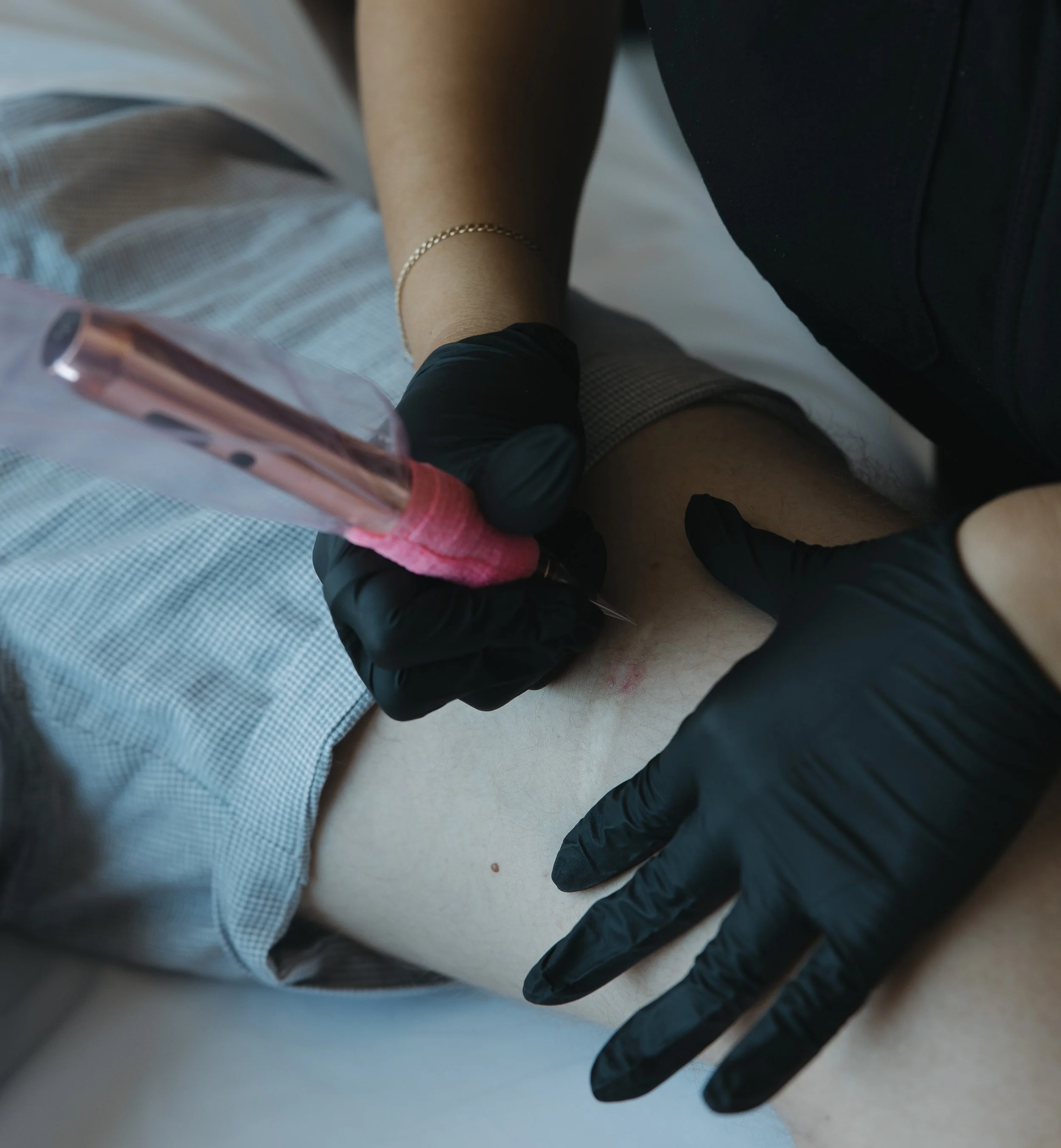
Paramedical tattooing is a specialized form of medical tattooing that uses carefully selected pigment to improve the appearance of healed skin concerns, including scars, pigment loss, and areas of uneven skin color. Unlike a decorative tattoo, a paramedical tattoo is designed to blend with your natural skin tone and make the treated area look less noticeable.
At Chrysalis Skin & Scar, paramedical tattooing is often used after the scar has already been evaluated and treated when needed. This makes scar camouflage more precise because the tissue is healthier, flatter, and better prepared for pigment placement.
How Does Scar Camouflage Work?
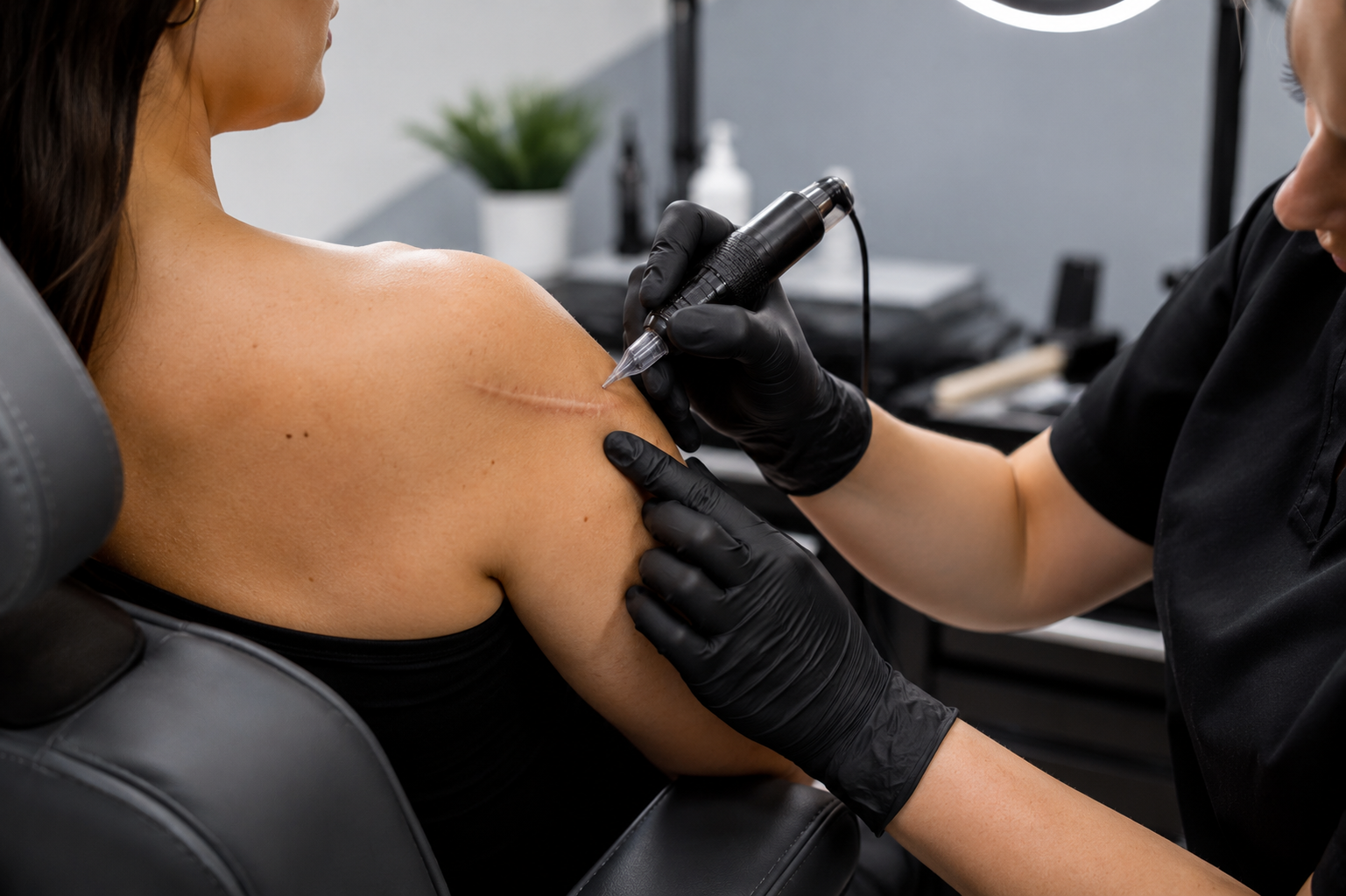
Scar camouflage uses custom pigment matching to reduce the contrast between a scar and the surrounding skin. During treatment, pigment is placed into the skin to create a more even appearance, especially when a scar appears lighter than the natural skin tone.
This may be recommended for:
Surgical scars
C-section scars
Mastectomy scars
Burn or trauma scars
Self-harm scars
Hypopigmented scars
Fully healed scars after scar revision
Scar camouflage does not erase scar tissue. Instead, it helps the scar blend more naturally with the skin around it.
Who Is a Good Candidate for a Paramedical Tattoo for Scars?
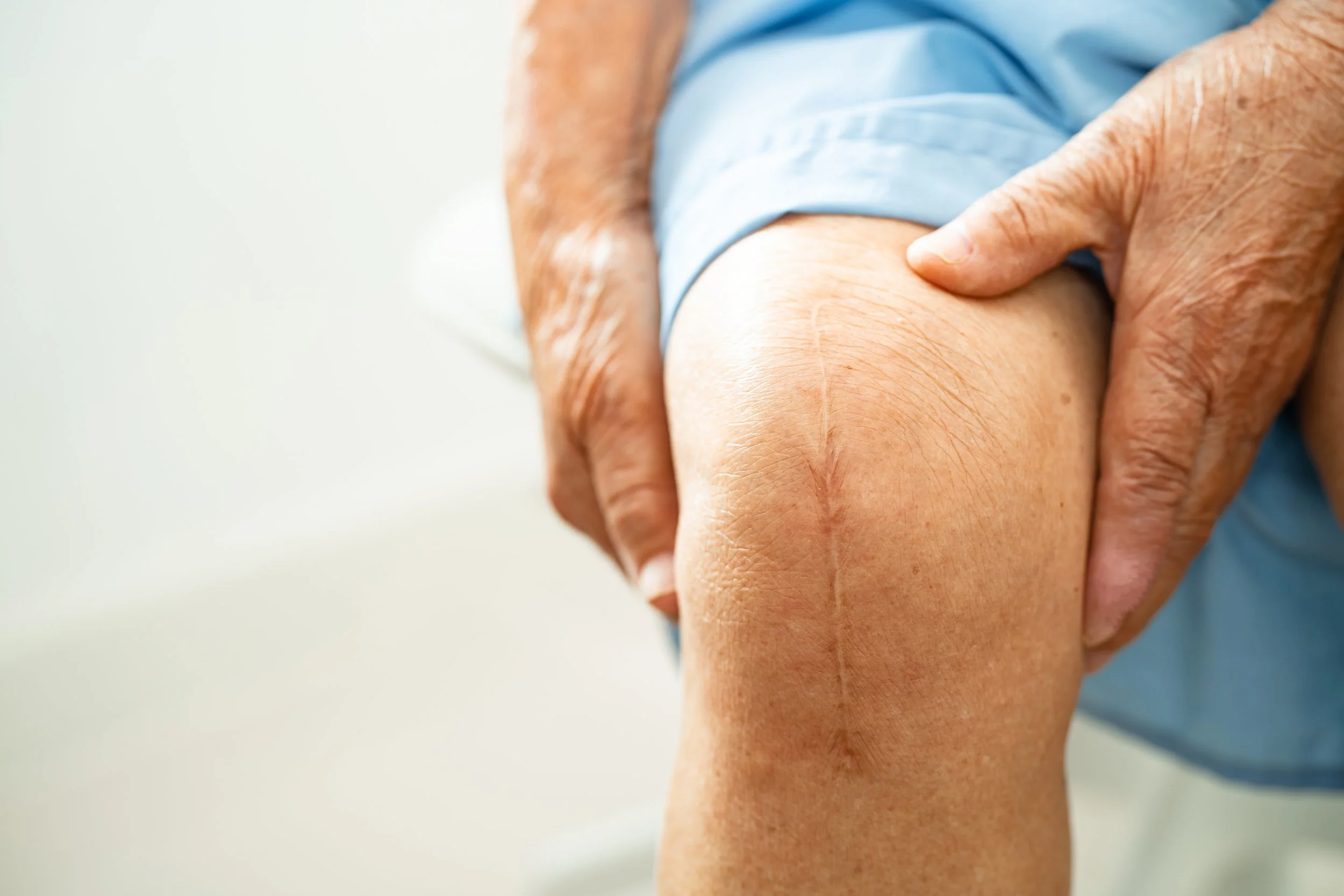
A good candidate for a paramedical tattoo for scars is someone with a fully healed scar that has stabilized in color, texture, and thickness. In many cases, the scar should first be improved through laser scar revision, microneedling, radiofrequency, biologics, or other tissue-focused treatments before camouflage paramedical tattoo work begins.
You may be a candidate if your scar is:
Fully closed and healed
Lighter than the surrounding skin
Stable in color
Not actively irritated or inflamed
Flat enough for pigment blending
Ready for cosmetic refinement after tissue treatment
During your consultation in Gilbert or Chandler, AZ, our team will evaluate the scar’s texture, color, location, and healing history to decide whether scar camouflage is the right next step.
What Types of Scars Can Paramedical Tattooing Improve?
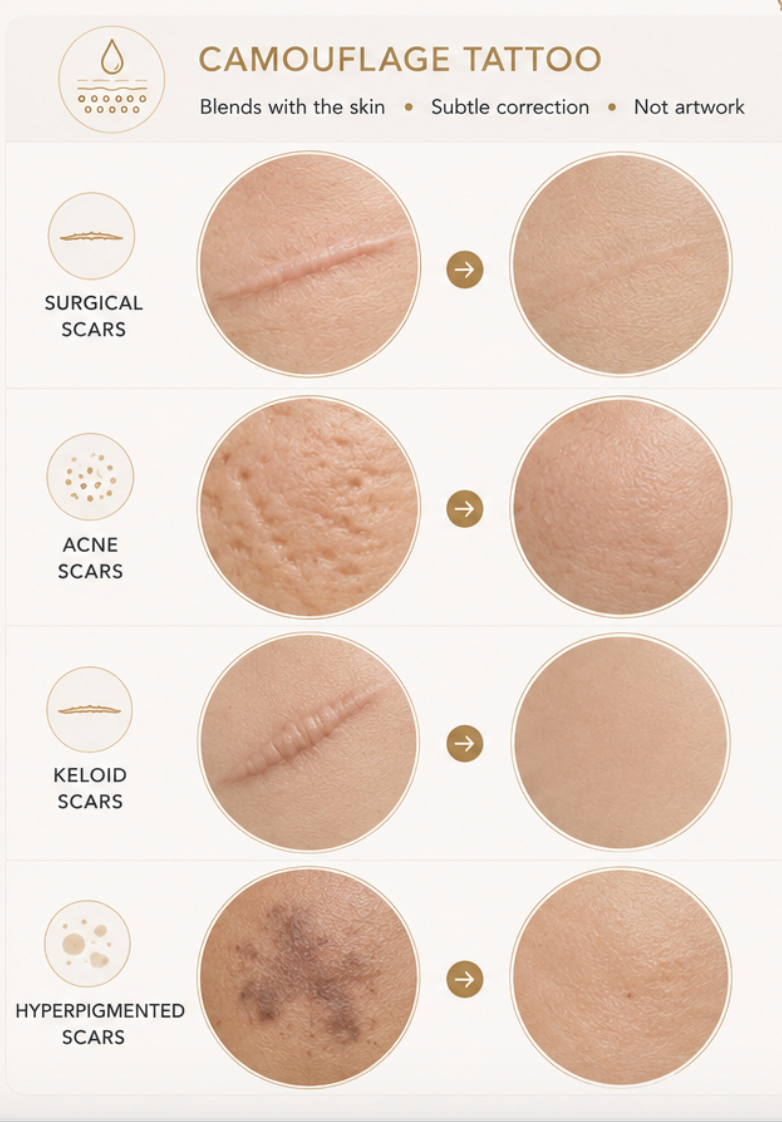
Paramedical tattooing can improve the look of many healed scars, especially when the main concern is visible color contrast. This may include scars from surgery, injury, burns, acne, cancer treatment, and previous procedures.
Common treatment areas include the face, chest, abdomen, arms, legs, and other areas where visible scarring affects confidence or comfort. For patients with complex scar tissue, Chrysalis Skin & Scar may recommend tissue treatment first, followed by a skin color tattoo once the scar is ready for camouflage.
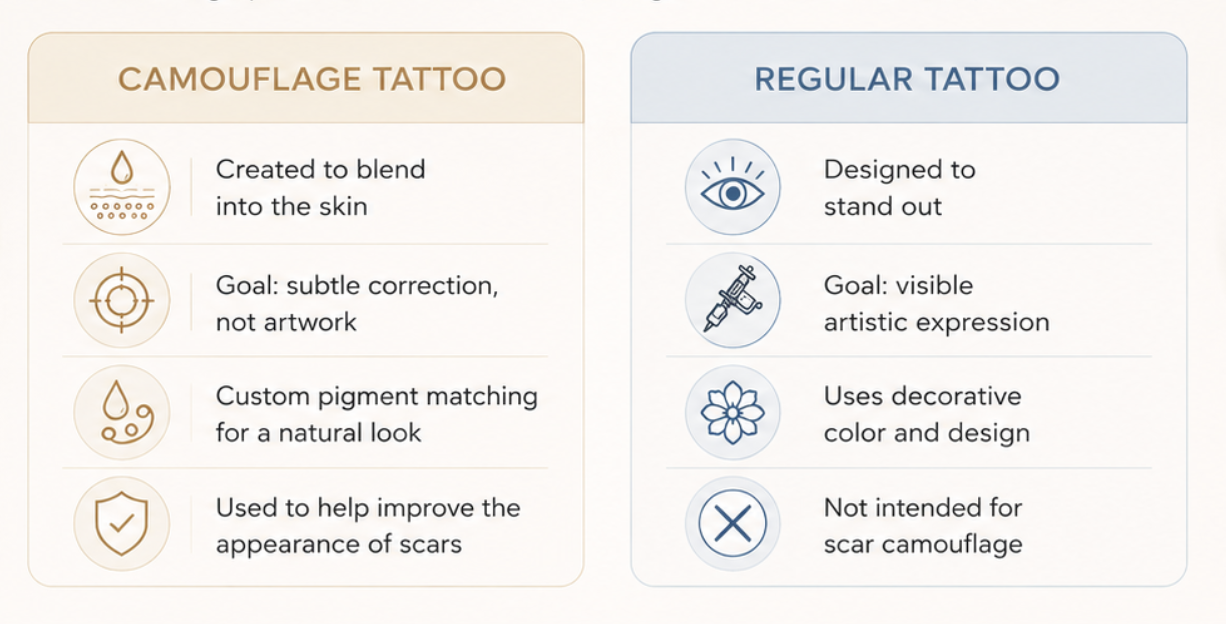
What Is the Difference Between a Camouflage Tattoo and a Regular Tattoo?
A camouflage tattoo is created to blend into the skin, while a regular tattoo is designed to stand out. With camouflage paramedical tattoo work, the goal is subtle correction, not artwork.
Paramedical tattooing requires an understanding of scar tissue, pigment behavior, skin tone, and long-term healing. At Chrysalis Skin & Scar, this service is performed within a medically supervised environment, which is especially important for patients with surgical scars, cancer-related scars, trauma scars, or scars that have already required clinical treatment.
Why Patients Choose Chrysalis Skin & Scar for Scar Revision
Chrysalis Skin & Scar offers paramedical tattooing as part of a complete scar management program, not as a standalone cosmetic service. This matters because scars are not just a color concern. They can involve changes in collagen, texture, thickness, pigmentation, and tissue flexibility.
Patients choose Chrysalis Skin & Scar because we provide:
Medically supervised scar evaluation
Full scar improvement options before camouflage
Skin tone assessment for more natural pigment blending
Experience with complex scars and post-surgical concerns
A thoughtful approach for patients who have already been through surgery, cancer treatment, trauma, or long-term scar frustration
Our goal is to help treat scars to look less visible while respecting your skin, your history, and your comfort.
When Should You Start Scar Camouflage?
Scar camouflage should only begin once the skin is fully healed and the scar has matured enough for pigment placement. Starting too early can affect pigment retention, color matching, and the final appearance.
For some patients, this may mean waiting several months after surgery or injury. For others, scar revision may be recommended first to improve thickness, texture, redness, or raised tissue before a paramedical tattoo for scars is performed.
Tattoos to Cover Scars: What Patients Should Know
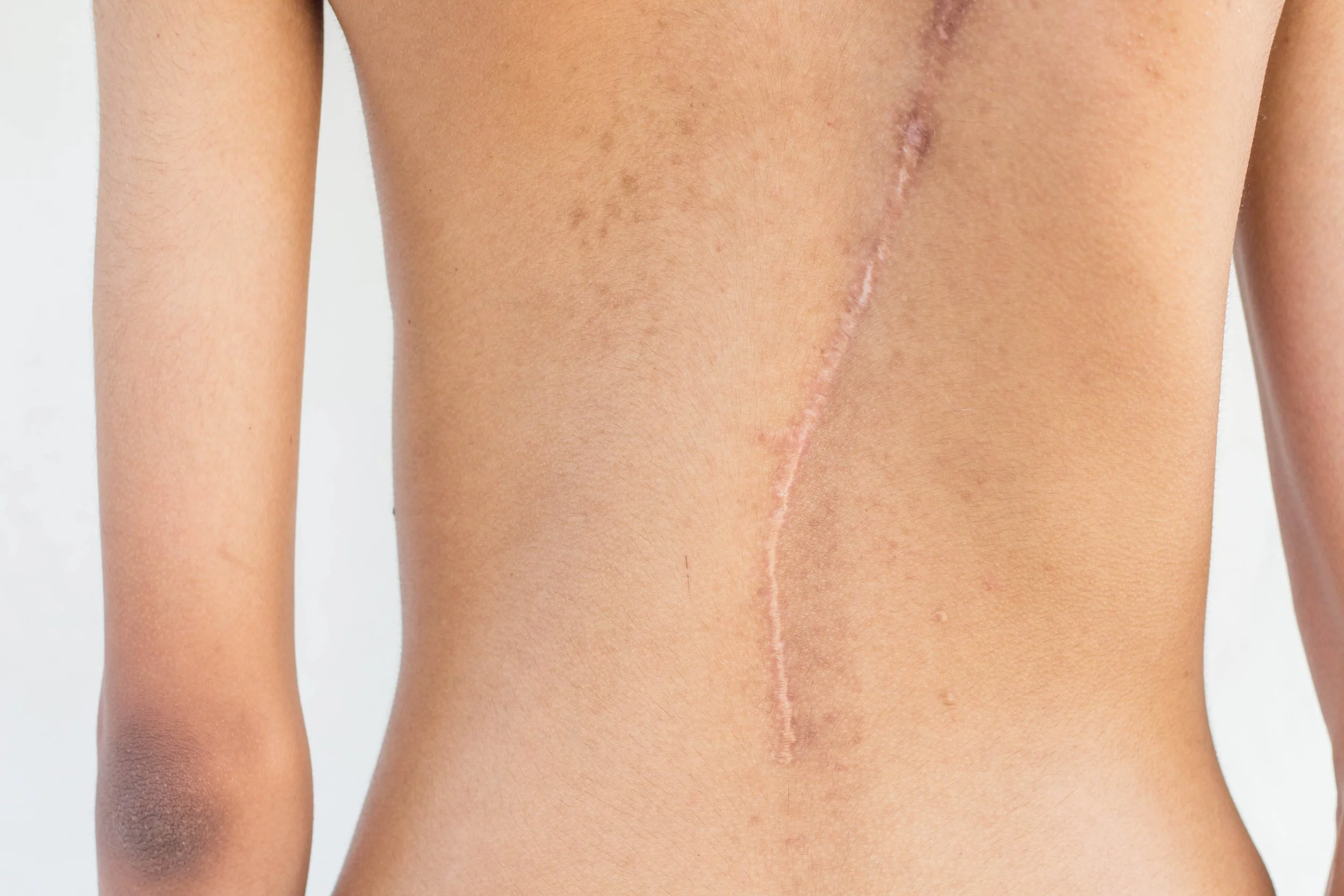
Tattoos to cover scars can help improve the look of healed scars, but the best option depends on the scar itself. Some scars are better suited for skin color tattoo camouflage, while others may need clinical scar treatment before pigment is placed.
At Chrysalis Skin & Scar, we do not look at scar camouflage as a quick cover up. We look at the full condition of the skin first, then decide whether paramedical tattooing can help create a smoother, more natural looking result.
Paramedical Tattoo Camouflage FAQ
-
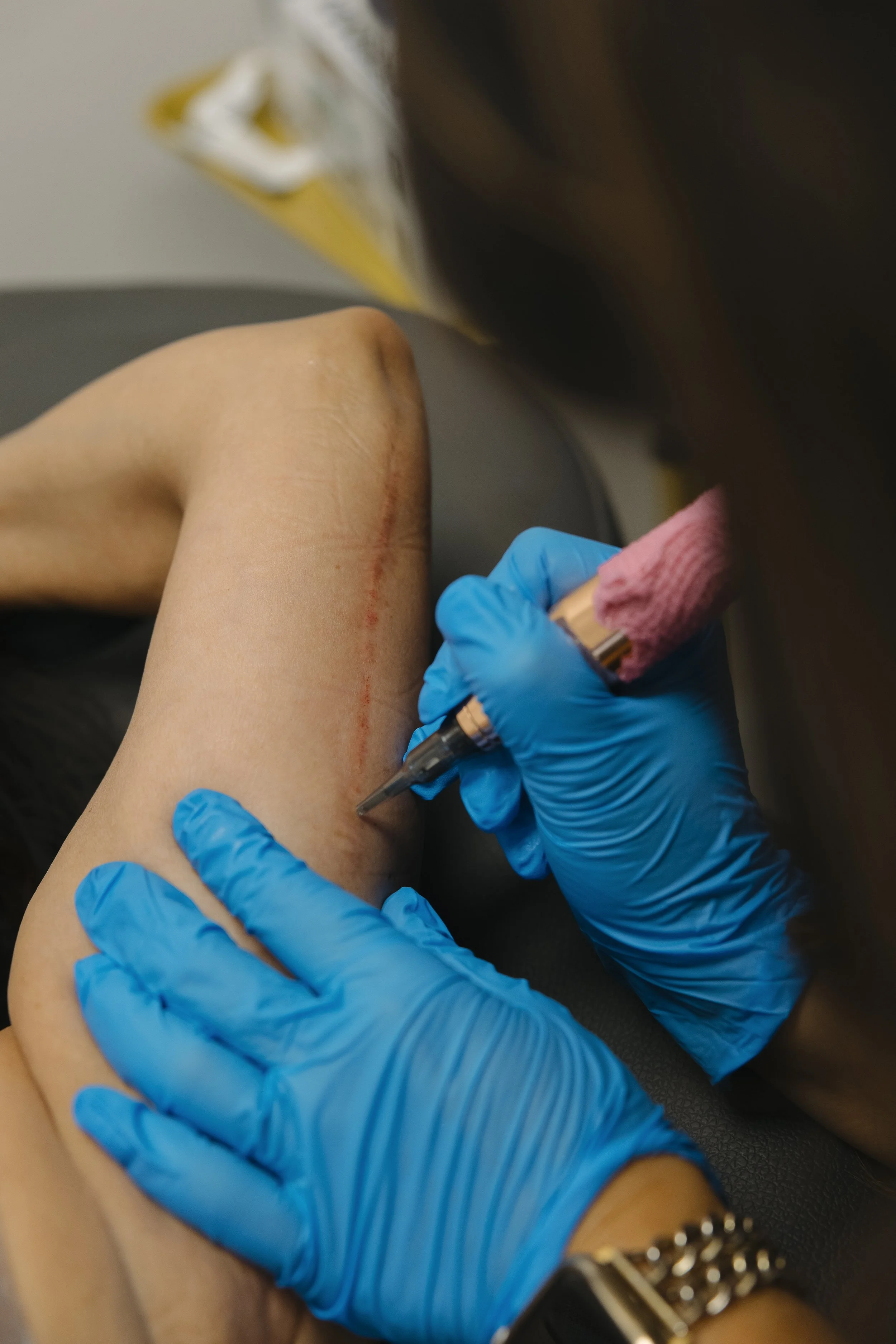
Paramedical tattooing is a form of medical tattooing that uses pigment to improve the appearance of healed skin concerns, including scars and areas of pigment loss. For scars, it is often called scar camouflage because the goal is to help the scar blend more closely with the surrounding skin. At Chrysalis Skin & Scar in Scottsdale, AZ, paramedical tattooing may be used after the scar has been evaluated and treated when needed.
-
Yes, paramedical tattoos can fade over time. Pigment retention depends on your skin type, scar tissue, sun exposure, treatment area, lifestyle, and how your body holds pigment. Some patients may need touch ups to maintain the appearance of their scar camouflage over the years.
-
Paramedical tattooing may cause mild to moderate discomfort, depending on the treatment area and the sensitivity of the scar tissue. Some scars have reduced sensation, while others can feel more sensitive than normal skin. During your consultation, your provider will explain what to expect and how comfort is managed during the camouflage tattoo process.
-
A paramedical tattoo can last for years, but results vary from patient to patient. Because scar tissue behaves differently than untreated skin, pigment may soften, lighten, or shift over time. Good aftercare and sun protection can help support longer lasting results.
-
Paramedical tattooing can be safe when performed by a trained clinician in the right setting and on fully healed skin. The scar must be evaluated first to make sure it is ready for pigment placement. At Chrysalis Skin & Scar, scar camouflage is performed in a medically supervised clinic, which allows the team to assess the tissue before recommending medical tattooing.