

Laser Resurfacing & Scar Remodeling in Arizona
Laser resurfacing can improve scar texture, thickness, discoloration, and unevenness by encouraging controlled collagen remodeling. At Chrysalis Skin & Scar in Gilbert and Chandler, AZ, scar focused laser skin treatment is performed with clinical precision, including advanced UltraClear laser resurfacing for patients who need more than surface level care.
Advanced Laser Skin Resurfacing for Scar Improvement
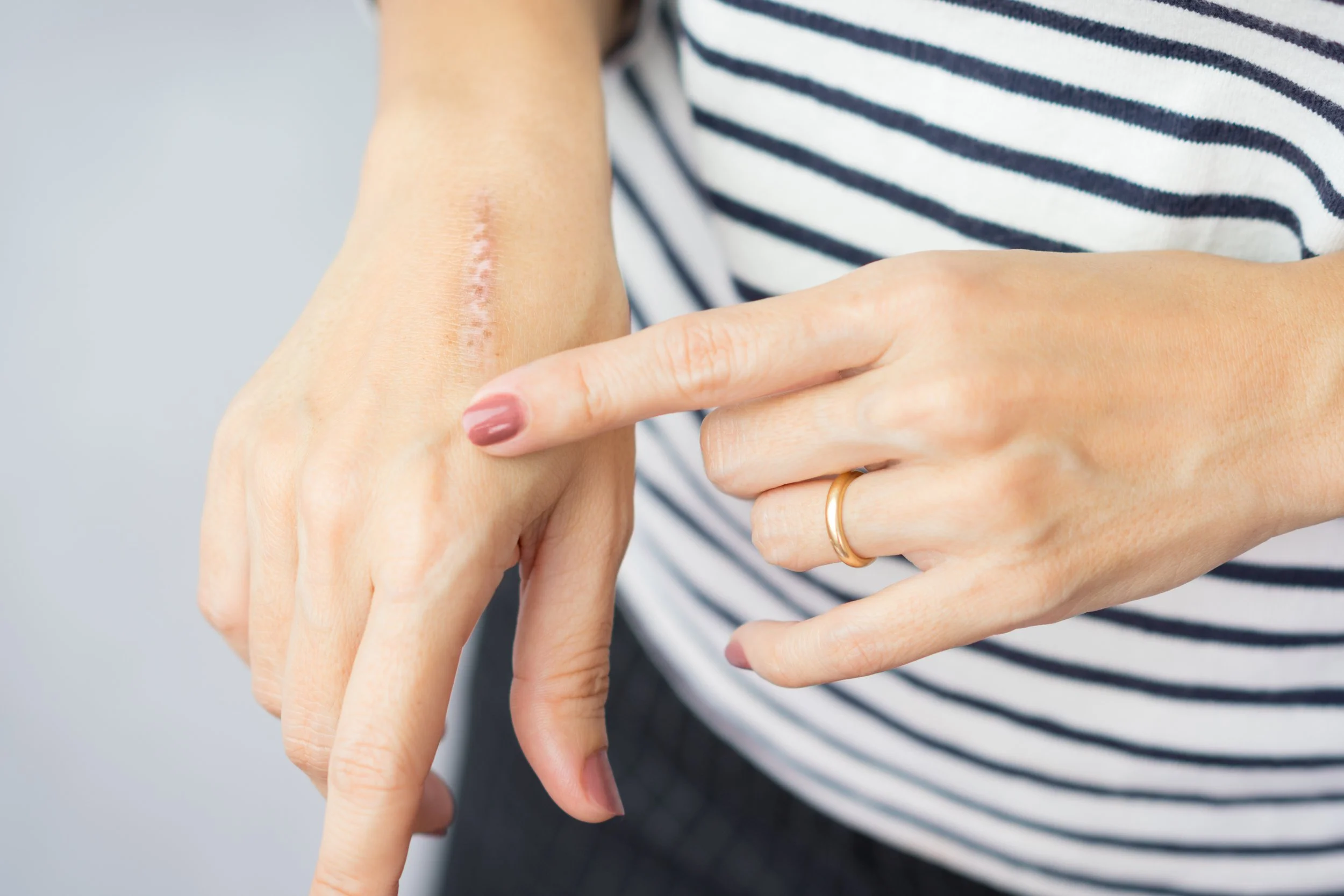
Laser skin resurfacing uses focused laser energy to create controlled changes in the skin, helping the body remodel damaged or disorganized scar tissue over time. At Chrysalis Skin & Scar, laser resurfacing is not approached as a general skin treatment.
It is part of a medically directed scar remodeling plan designed for surgical scars, acne scars, trauma scars, burn scars, hypertrophic scars, and keloid prone scars.
For many patients, laser scar resurfacing can help improve:
Raised or thickened scar texture
Pitted acne scars and uneven skin texture
Scar tightness or reduced pliability
Redness or discoloration in scar tissue
Collagen irregularity beneath the skin
Post-surgical scars after wound closure
Older scars that still feel visible, tight, or uneven
Why UltraClear Laser Resurfacing Is a Key Technology at Chrysalis
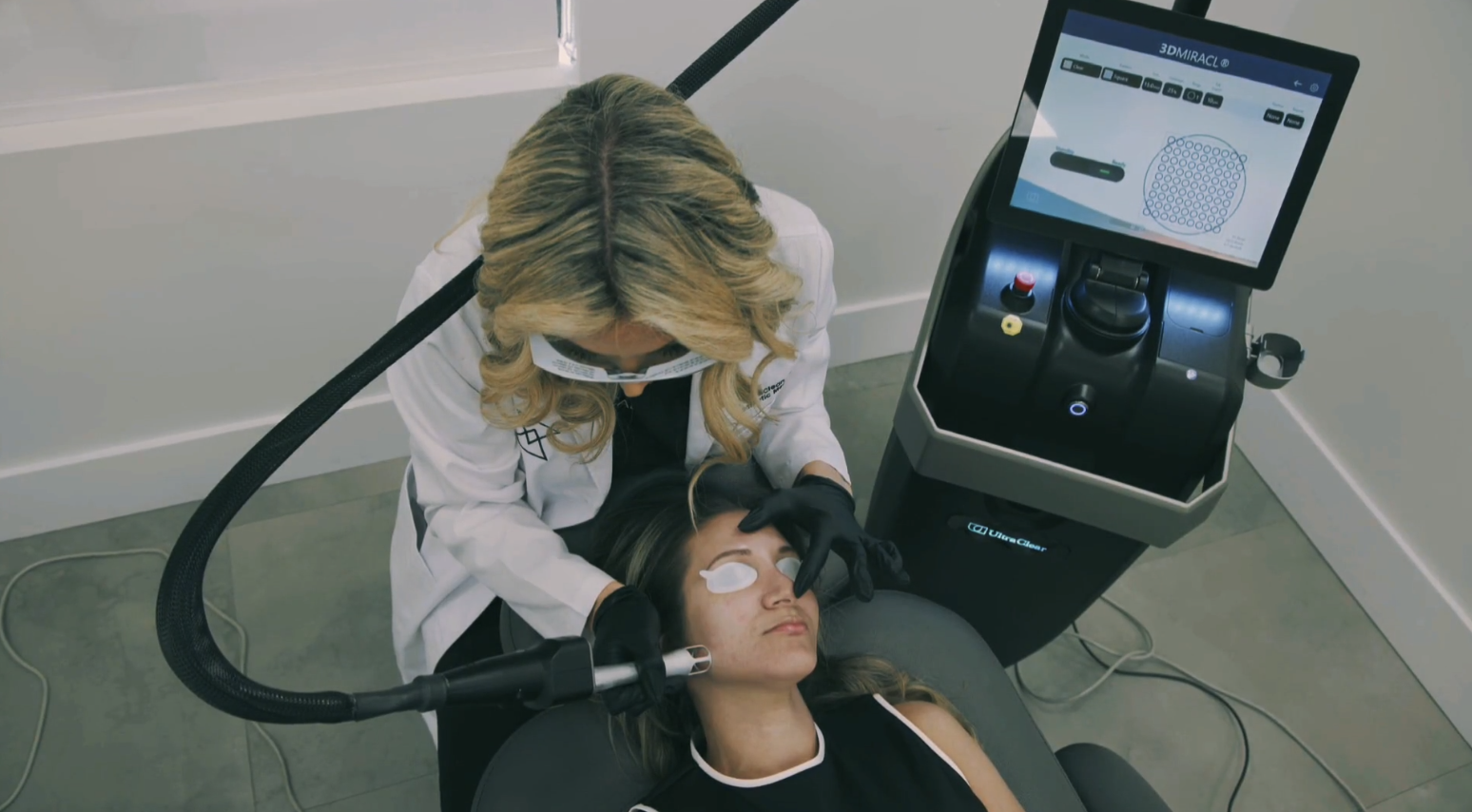
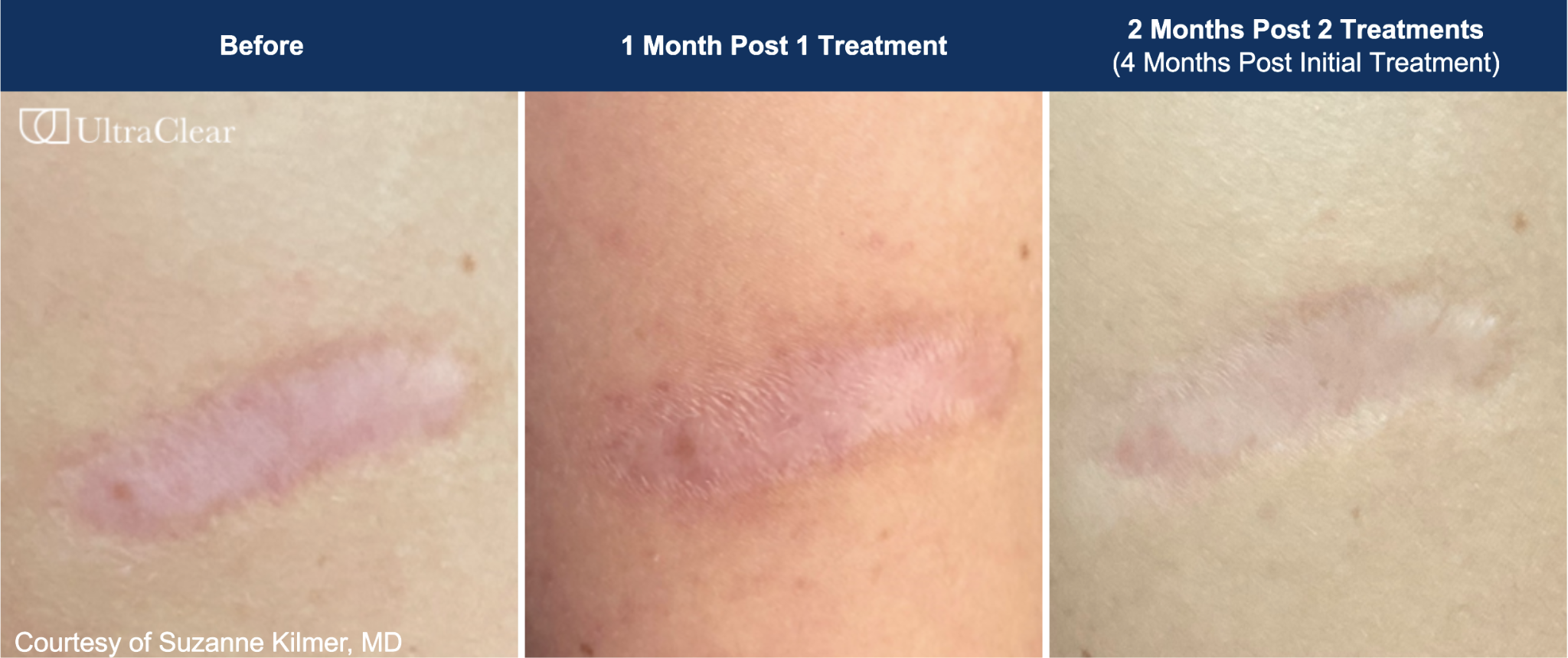
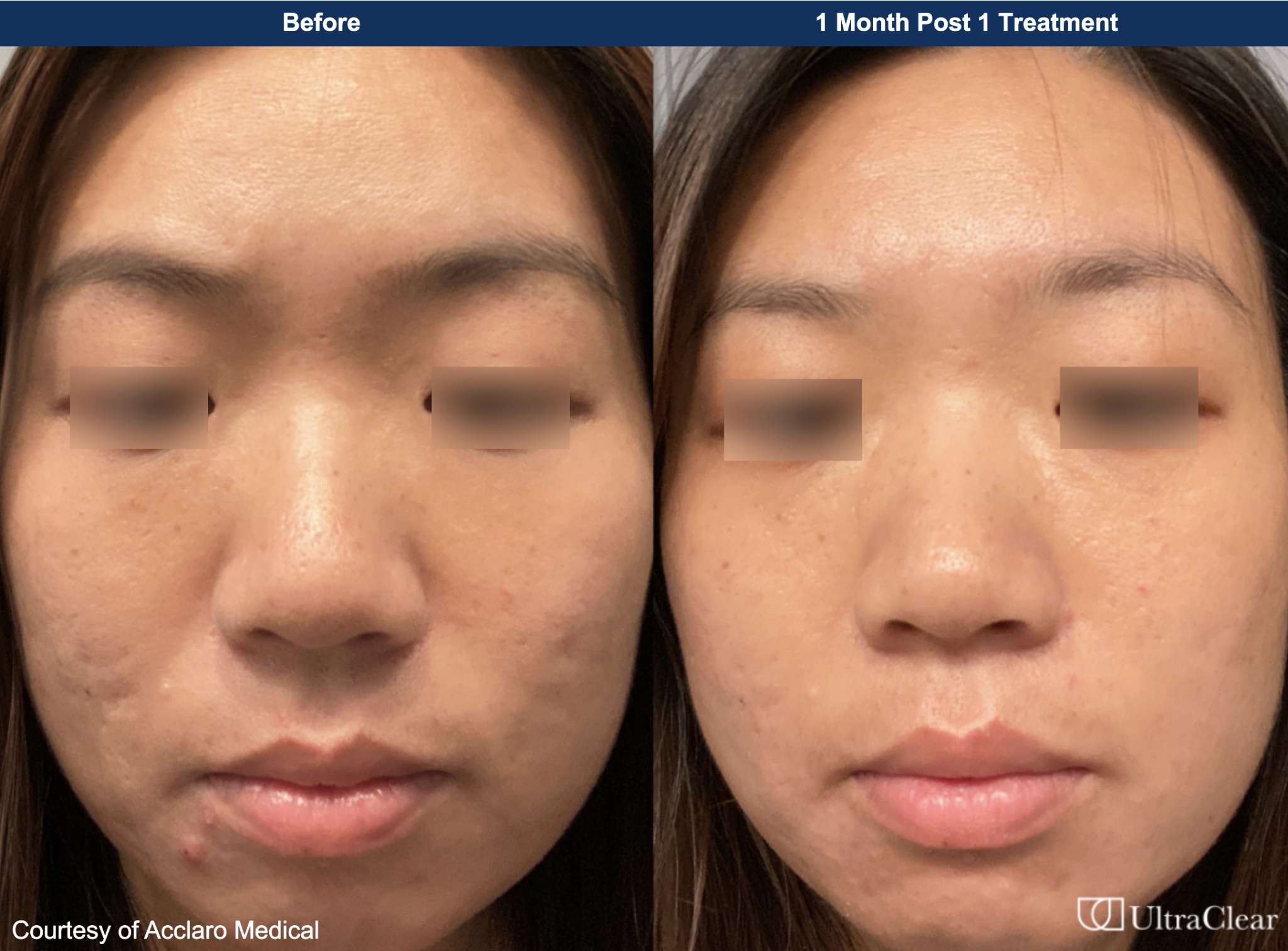
UltraClear laser is an advanced fractional fiber laser used for collagen remodeling, laser scar resurfacing, and scar refinement across different areas of the face and body. Chrysalis Skin & Scar chose UltraClear because it allows providers to treat scar tissue with precision while supporting safer treatment across all Fitzpatrick skin types, including all skin colors.
At Chrysalis, UltraClear laser resurfacing may be used for:
Surgical scars, including C-section, facelift, lipo, mastectomy, and orthopedic scars
Acne scars, including pitted, rolling, and textural scars
Keloid and hypertrophic scars when clinically appropriate
Scar remodeling on the face, neck, chest, abdomen, legs, and other body areas
Laser Coring for selected raised or thickened scars
Collagen remodeling for scar texture, tone, and pliability
UltraClear is especially valuable because Chrysalis is built around scar revision and scar management, not general aesthetic resurfacing. Every treatment recommendation is based on the scar type, skin tone, healing history, scar depth, and long-term goals.
Laser Scar Resurfacing vs Scar Laser Removal
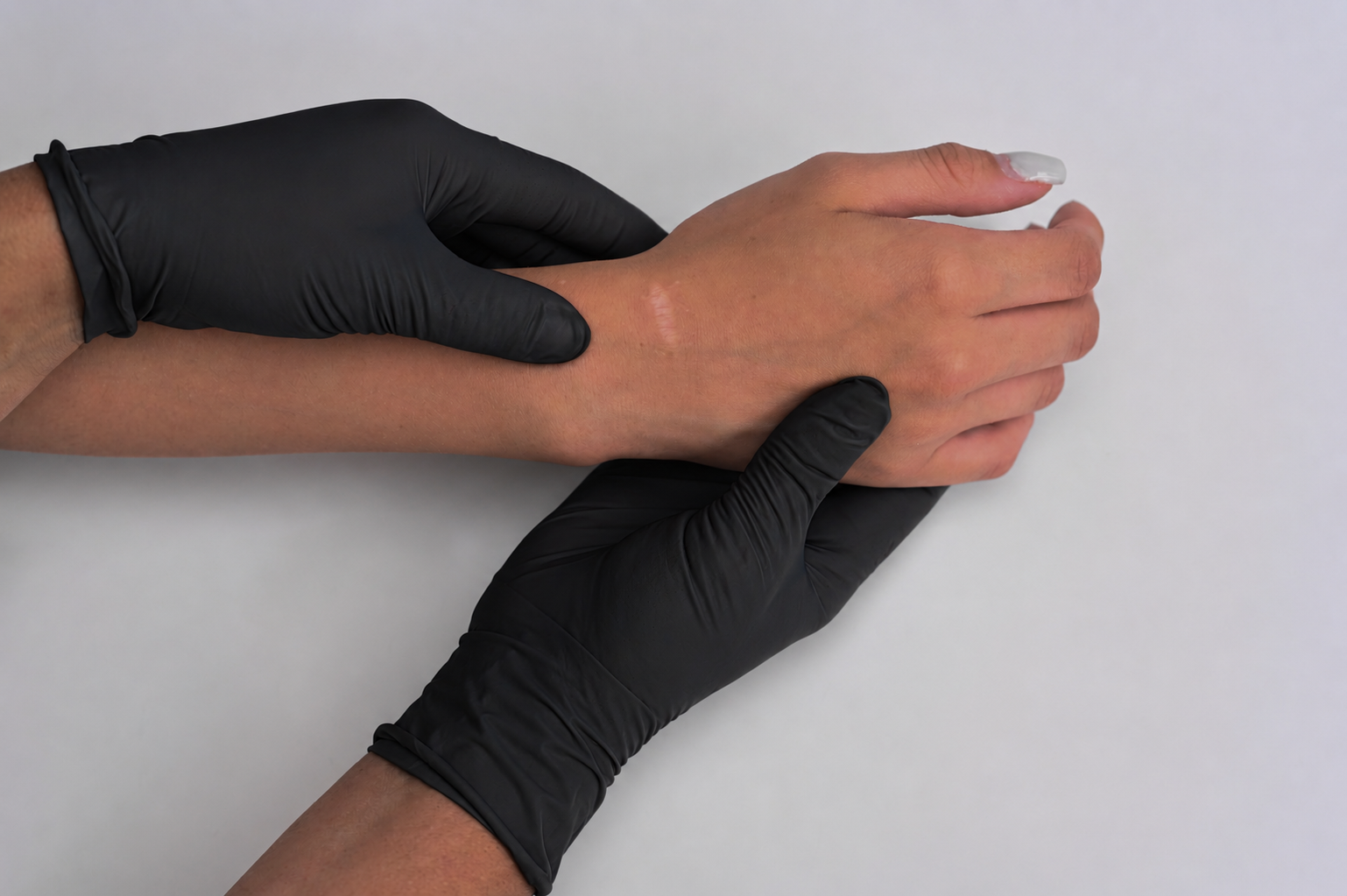
Laser scar resurfacing can significantly improve the look and feel of a scar, but it does not erase scar tissue completely. Many patients search for laser scar removal or scar laser removal, but the more accurate goal is scar remodeling, scar revision, and visible scar improvement.
This matters because scar tissue is different from normal skin. Laser treatment can help soften, flatten, smooth, and refine scar tissue by encouraging the body to reorganize collagen. However, the best results often come from a comprehensive approach that may include UltraClear laser, Laser-Coring, biologics, microneedling, radiofrequency, lymphatic support, or paramedical camouflage when appropriate.

What Types of Scars Can Laser Resurfacing Help Improve?
Laser resurfacing may help many scar types, especially when the treatment is matched to the scar’s structure and healing stage. Chrysalis Skin & Scar evaluates each scar carefully before recommending laser skin resurfacing or UltraClear laser resurfacing.
Surgical
Scars
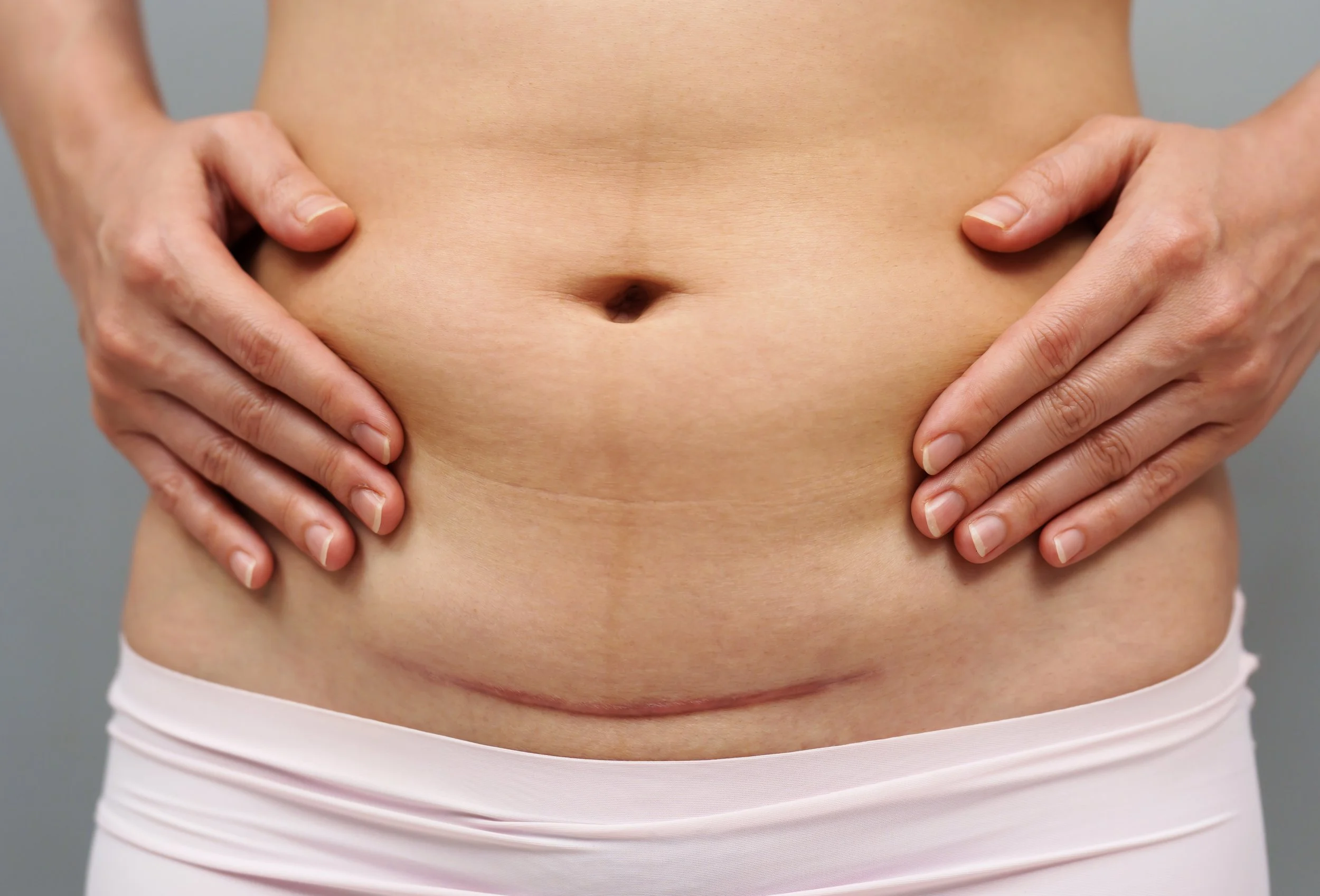
Post-surgical scars from C-sections, facelifts, lipo, mastectomy, knee replacement, brachioplasty, Mohs surgery, and other procedures may benefit from laser scar resurfacing once the wound is ready for active treatment.
Acne
Scars
Laser skin resurfacing may help improve acne scars that appear pitted, uneven, rolling, boxcar-shaped, or textural. Some acne scars may require combination care if tethering or tissue loss is present.
Hypertrophic and Keloid Scars
Raised scars may benefit from laser resurfacing, Laser Coring, and additional scar management methods. At Chrysalis, thickened scar tissue is evaluated carefully to reduce unnecessary irritation and support safer remodeling.
Burn and Trauma Scars
Burn and trauma scars can affect texture, color, movement, and confidence. Laser scar resurfacing may help improve pliability, thickness, and visible irregularity over a series of treatments.
Hyperpigmented
Scars
Laser treatment may help certain pigmented scars when selected carefully for the patient’s skin tone and scar type. Chrysalis places special emphasis on safe treatment planning for all Fitzpatrick skin types including darker skin tones.
When Can Laser Scar Treatment Begin?
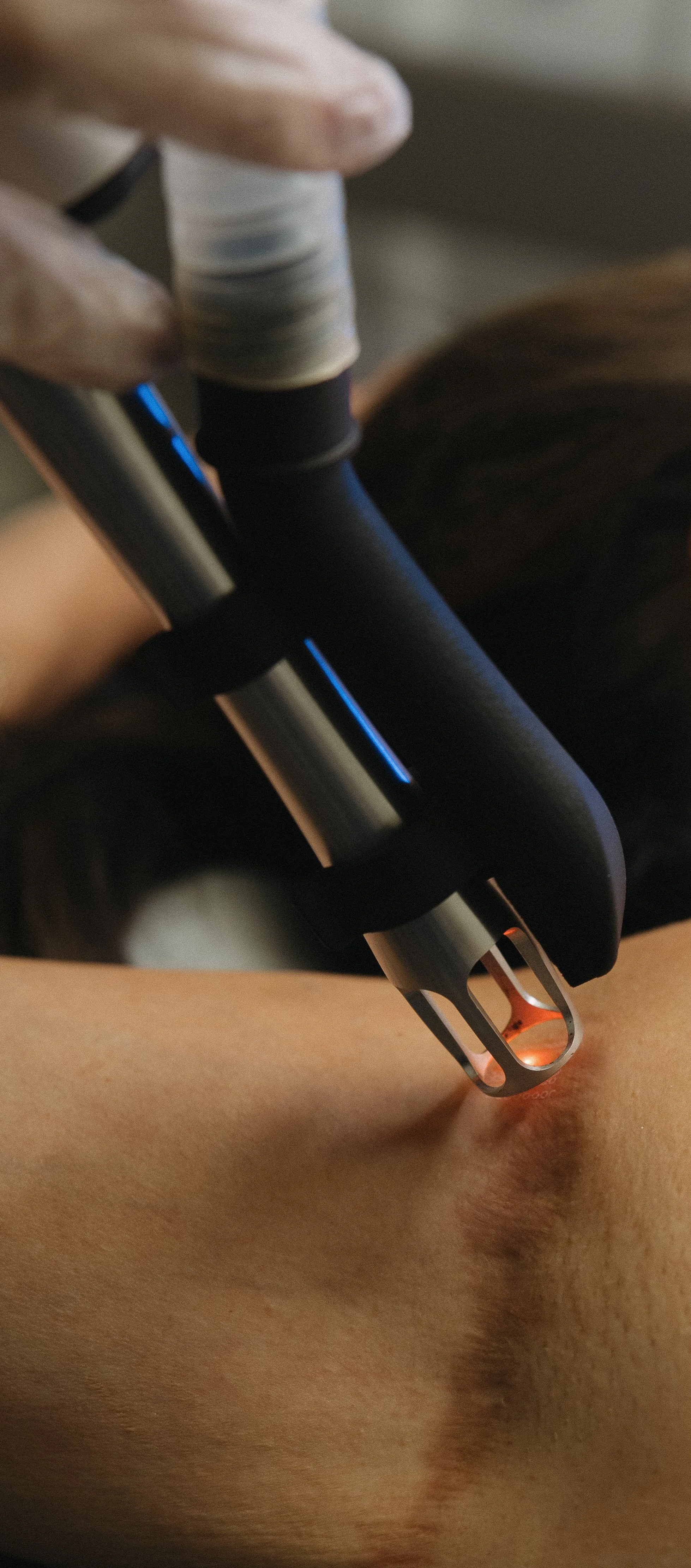
Laser scar treatment usually begins after durable wound closure, often around the 3-month mark, when the skin is ready for active scar revision. However, Chrysalis Skin & Scar may support the earlier scar healing stages with non-laser wound healing options before laser resurfacing begins.
Early Healing
During the first stage of scar healing, the priority is tissue stability, healthy closure, and reducing factors that may contribute to excessive scar formation.
Remodeling Readiness
Once the scar is closed and stable, the provider evaluates texture, color, thickness, pliability, and scar depth to determine whether laser skin treatment is appropriate.
Active Scar Remodeling
This is when UltraClear laser resurfacing, Laser Coring, microneedling, radiofrequency, biologics, or other scar treatments may be introduced based on the patient’s needs.
Why Patients Choose Chrysalis Skin & Scar for Laser Resurfacing in Gilbert
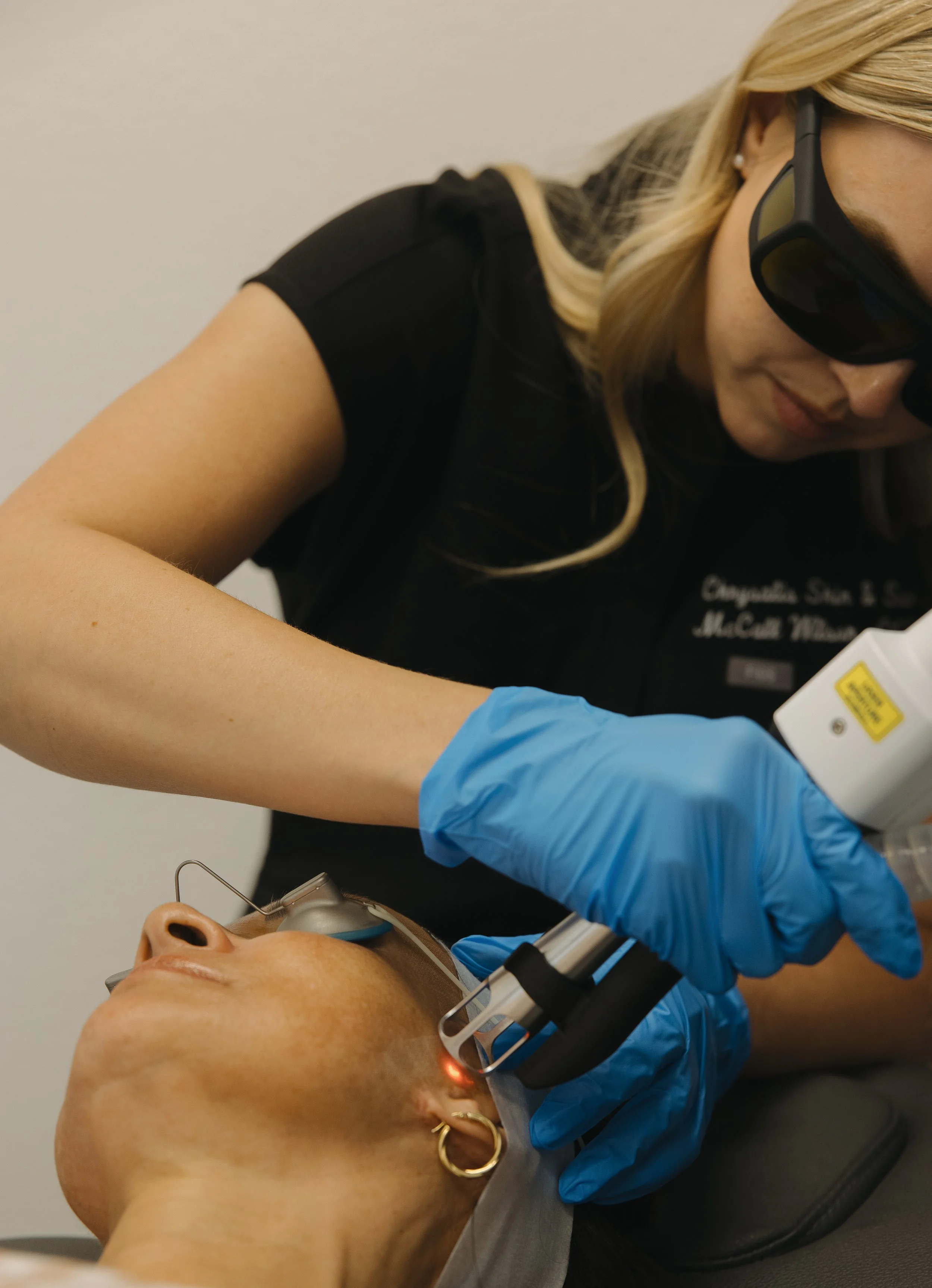
Chrysalis Skin & Scar is a paramedical clinic focused on scar revision, scar management, and tissue transformation. Patients choose Chrysalis because the practice connects wound healing knowledge with advanced laser technology and a deeper understanding of scar behavior.
What makes the approach different:
A scar focused clinic, not a med spa
UltraClear laser resurfacing for advanced scar remodeling
Experience with complex scars, including surgical, acne, burn, trauma, hypertrophic, and keloid scars
Treatment planning for all Fitzpatrick skin types
A clinical background rooted in wound healing and tissue repair
Combination care when scars need more than one treatment method
Options for long term scar refinement, including paramedical camouflage when appropriate
Start Your Laser Resurfacing Consultation
If you are considering laser resurfacing in Gilbert and Chandler for a surgical scar, acne scar, raised scar, burn scar, or trauma scar, Chrysalis Skin & Scar can help you understand what is possible. Schedule a consultation to learn whether UltraClear laser resurfacing or another scar remodeling option is the right next step.
Laser Resurfacing & Scar Remodeling FAQ
-
Laser scar treatment may cause warmth, tingling, or a snapping sensation, but comfort measures including topical numbing cream can help make the procedure more manageable. The level of discomfort depends on the scar type, treatment depth, location, and whether UltraClear laser resurfacing or Laser Coring is recommended. Most patients tolerate laser scar resurfacing well when the treatment is planned carefully and the right comfort options are in place. Chrysalis Skin & Scar offers numbing cream and will review all available comfort options during your consultation to ensure your experience is as comfortable as possible.
-
Laser skin resurfacing is a laser skin treatment that uses focused energy to improve skin texture, tone, and damaged tissue. For scar care, laser resurfacing helps create controlled stimulation in the skin so the body can remodel collagen and improve the appearance of scar tissue. At Chrysalis Skin & Scar, laser skin resurfacing is used for scar remodeling rather than general anti-aging care. UltraClear laser may be recommended when a scar needs more precise resurfacing or deeper collagen remodeling.
-
Laser skin resurfacing can work very well for the right type of scar, especially when the treatment is matched to the scar’s structure and healing stage. It may help soften thickened scars, smooth uneven texture, improve pitted acne scars, and support collagen remodeling over time. Results vary because scars differ in depth, age, location, and biology. Many patients need a series of treatments for the best improvement.
-
UltraClear® is the first cold ablative fiber laser, designed to resurface skin while supporting precise collagen remodeling. At Chrysalis Skin & Scar, UltraClear laser resurfacing is used as part of a clinical scar revision plan to improve scar texture, thickness, tone, and pliability across the face and body. Because UltraClear can be used in different treatment modes, it may support both lighter resurfacing and deeper scar remodeling, including Laser Coring for selected raised, thickened, hypertrophic, or keloid scars. The goal is not to erase scar tissue completely, but to help the skin remodel more evenly for a smoother, softer, and more improved appearance.
-
UltraClear laser resurfacing may be appropriate for patients with darker skin tones when performed by trained providers who understand skin type, scar behavior, and pigment risk. Chrysalis Skin & Scar evaluates all Fitzpatrick skin types carefully before recommending laser resurfacing. This is especially important for patients with a history of post-inflammatory hyperpigmentation or scars that darken easily. The consultation helps determine whether UltraClear or another treatment option is safest.
-
Most scars need more than one laser resurfacing treatment because scar remodeling happens gradually. The number of sessions depends on the scar healing timeline, scar age, thickness, depth, color, and location. Some patients may also need a combination of UltraClear laser, Laser Coring, microneedling, biologics, or paramedical camouflage. Your provider will explain the expected treatment sequence after evaluating your scar.
-
The stages of scar healing after laser resurfacing often include initial redness, mild swelling, surface healing, and gradual collagen remodeling. The early healing phase happens first, while deeper scar remodeling continues over the following weeks and months. Patients may notice progressive changes in texture, pliability, and scar appearance as the tissue continues to respond. Chrysalis Skin & Scar provides clear aftercare instructions to support healing.
-
Old scars can often be treated with laser resurfacing, even if the scar formed years ago. Mature scars may still respond to UltraClear laser resurfacing, Laser Coring, or other scar remodeling treatments depending on their texture, thickness, pigment, and depth. While older scars may take more time to improve, it is not always too late to begin scar revision. A consultation can help determine what level of improvement may be realistic.