
Hair Loss and Scalp Treatment in Scottsdale, AZ
A healthy scalp creates a stronger foundation for healthier looking hair. At Chrysalis Skin & Scar, scalp health treatment focuses on professional cleansing, exfoliation, hydration, and personalized scalp care for patients dealing with buildup, dryness, flakes, excess oil, or early thinning concerns.
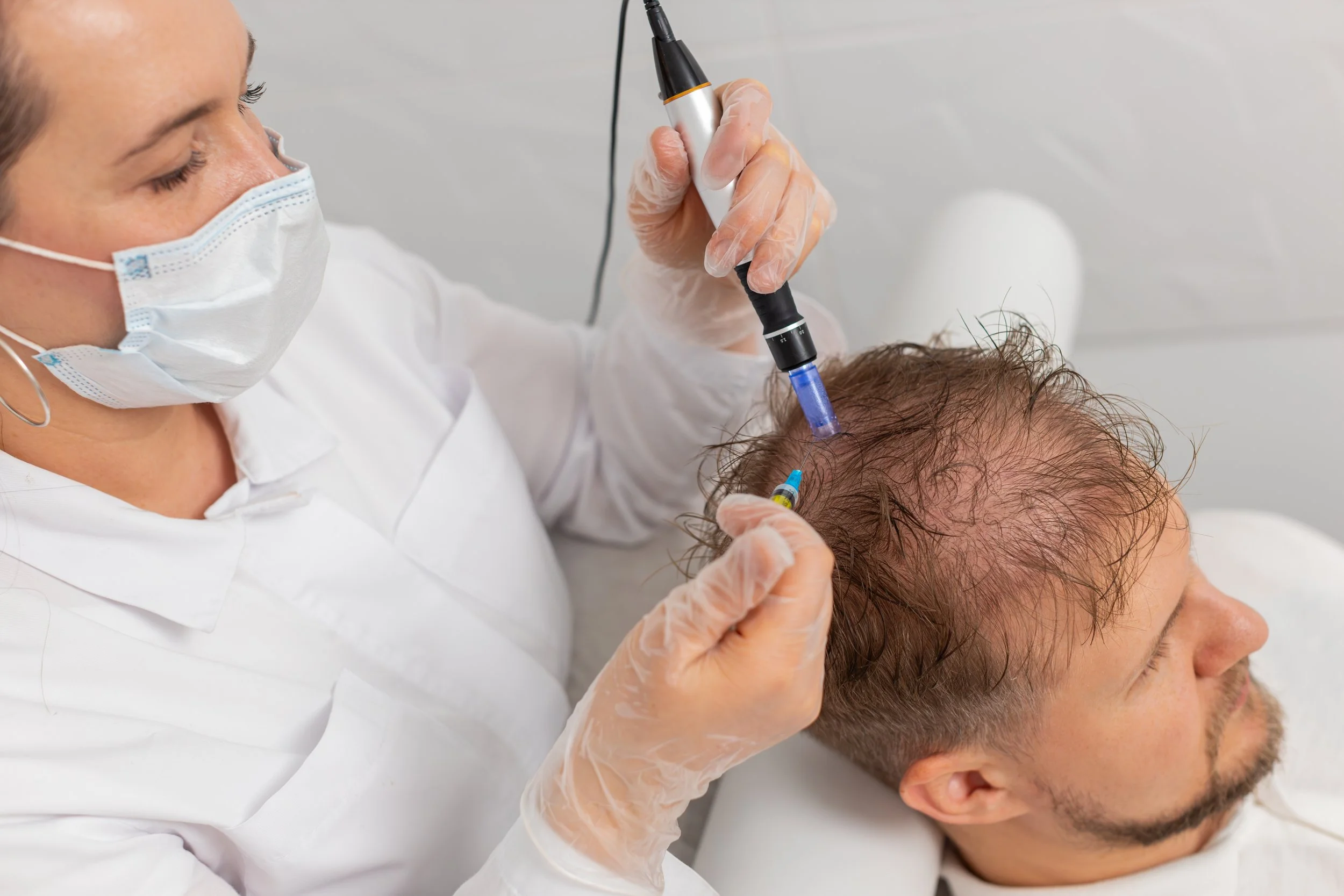
Our paramedical clinic takes a clinical approach to scalp problems. Treatment plans may also support broader hair restoration goals when appropriate, including PRP, microneedling, radiofrequency, medical grade topical options, and biologic based scalp treatments.
What Causes Hair Loss During Menopause or After Weight Loss?
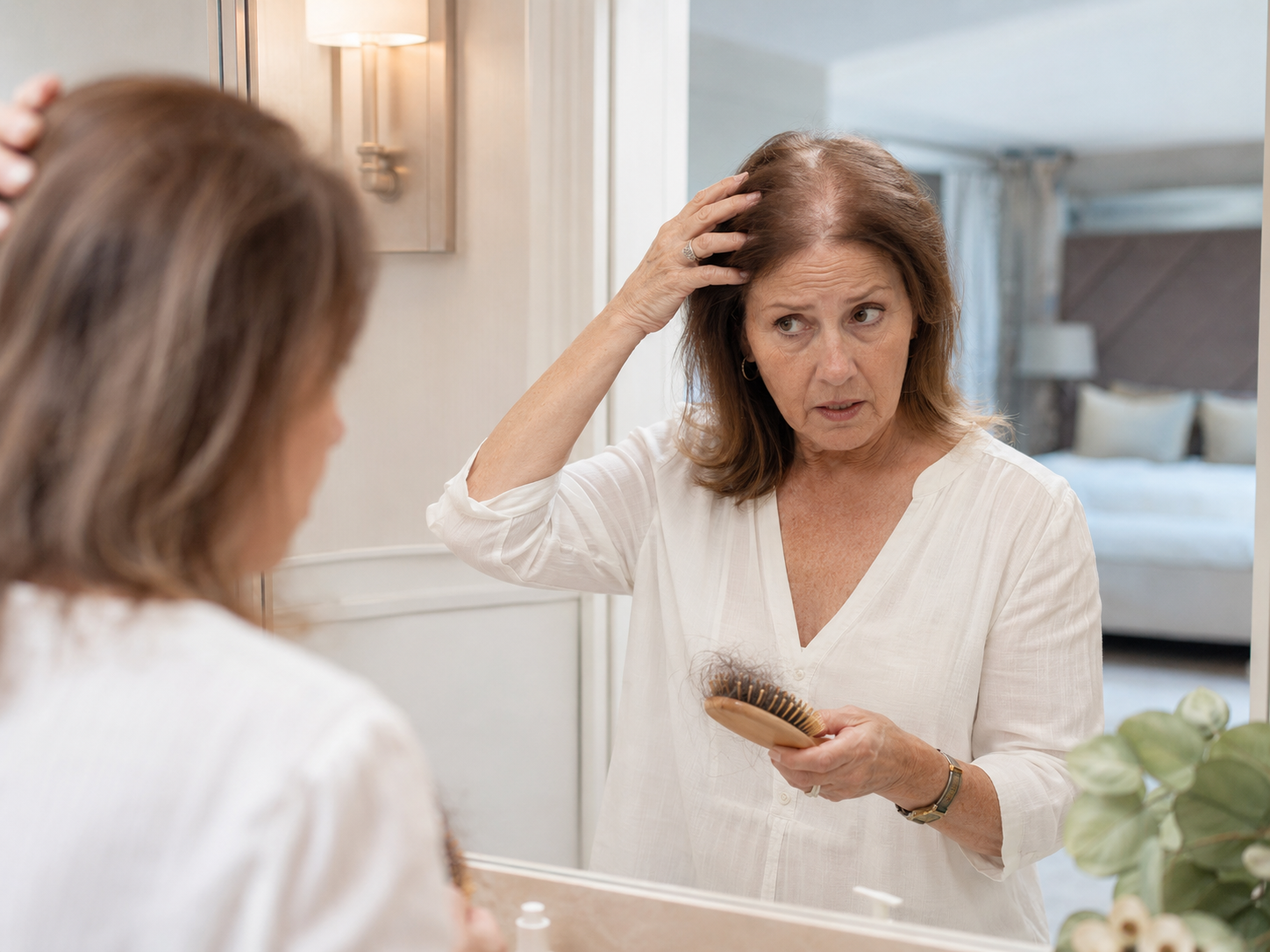
Menopause and weight loss-related hair loss are common reasons patients seek hair restoration support. During perimenopause and menopause, changing estrogen and androgen levels can affect the hair growth cycle, often leading to increased shedding, reduced density, or more visible thinning around the part line, temples, or crown.
Weight loss-related hair shedding may occur after rapid weight changes, reduced protein intake, nutrient deficiencies, surgery, stress, or changes in medication. Some patients notice shedding several months after the body undergoes a major metabolic shift. A consultation can help determine whether scalp care alone is sufficient or whether a broader hair restoration plan is more appropriate.
Scalp Health Treatment at a Glance
A professional scalp treatment can help:
Remove oil, product residue, dead skin cells, and environmental buildup
Support a cleaner, more balanced scalp environment
Improve the appearance of flakes, dryness, or excess oil
Prepare the scalp before certain hair restoration treatments
Help patients build a more effective scalp care routine at home
Identify when thinning hair or scalp discomfort needs a medical hair loss evaluation
Support patients experiencing menopause related hair thinning, weight loss related shedding, or scalp changes that may be contributing to visible hair concerns
When Does Your Scalp Need More Support?
Scalp problems can develop gradually. You may notice that your hair feels heavy at the roots, looks flatter than usual, becomes oily quickly, or appears thinner because buildup is covering the scalp and weighing down the hair.
Other signs that scalp care may be needed include:
Persistent flakes or visible scalp scaling
Dryness, tightness, or itching
Excess oil around the hairline or crown
Product buildup that does not improve with regular shampooing
Hair that looks limp, dull, or difficult to style
Increased shedding or changes in hair density
A scalp health consultation can help distinguish between common buildup and concerns that may need more comprehensive hair loss support.
How Menopause Can Affect Hair and Scalp Health
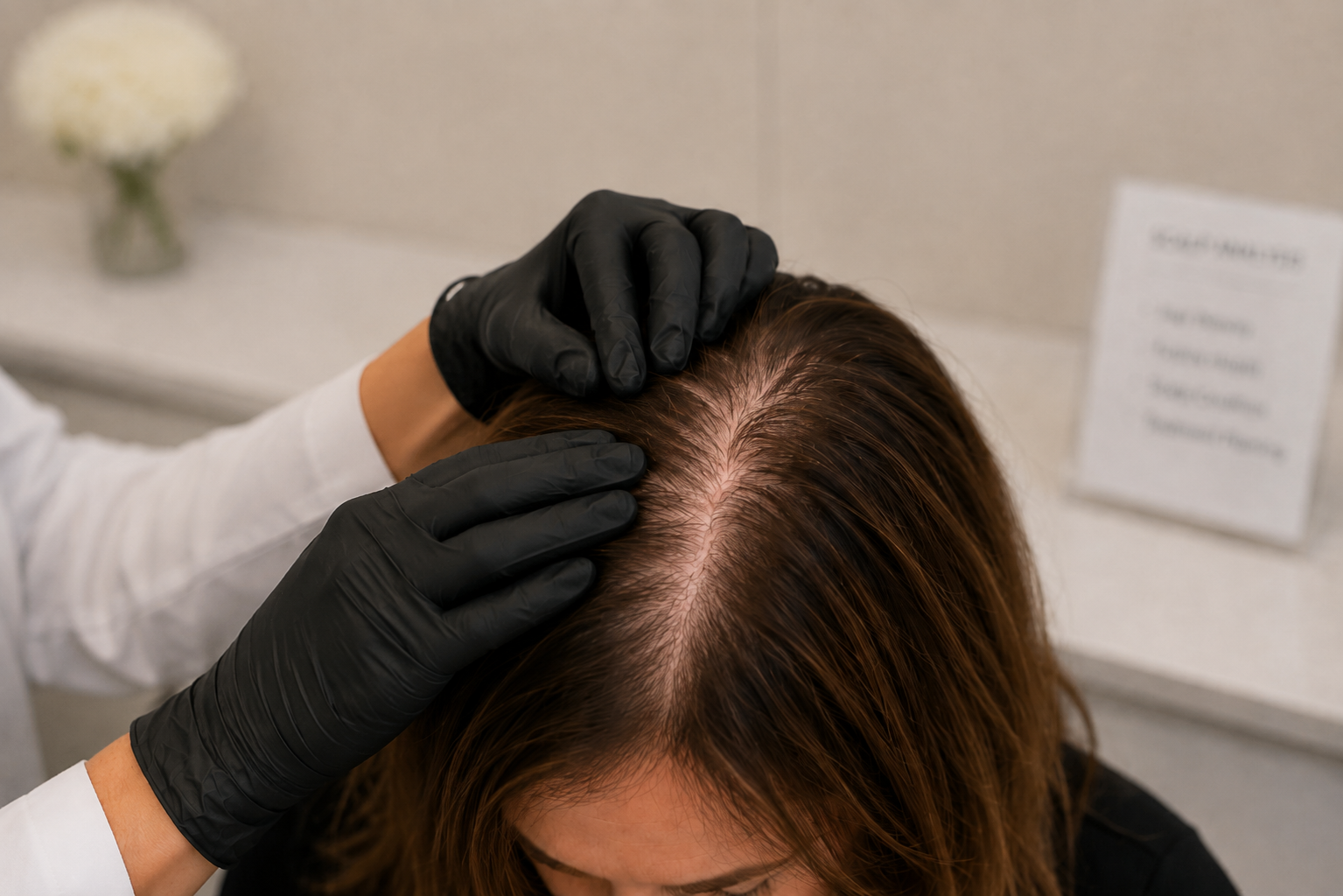
Menopause related hair loss may appear as gradual thinning, a wider part, reduced ponytail density, increased shedding, or more visible scalp at the crown. Some patients also notice scalp dryness, sensitivity, or changes in oil production during this stage.
Because menopause related thinning is often multifactorial, treatment planning should not focus only on the scalp surface. At Chrysalis Skin & Scar, recommendations may include scalp care, clinically selected scalp health products, PRP, biologic based support, microneedling, radiofrequency, or referral for additional medical evaluation when needed.
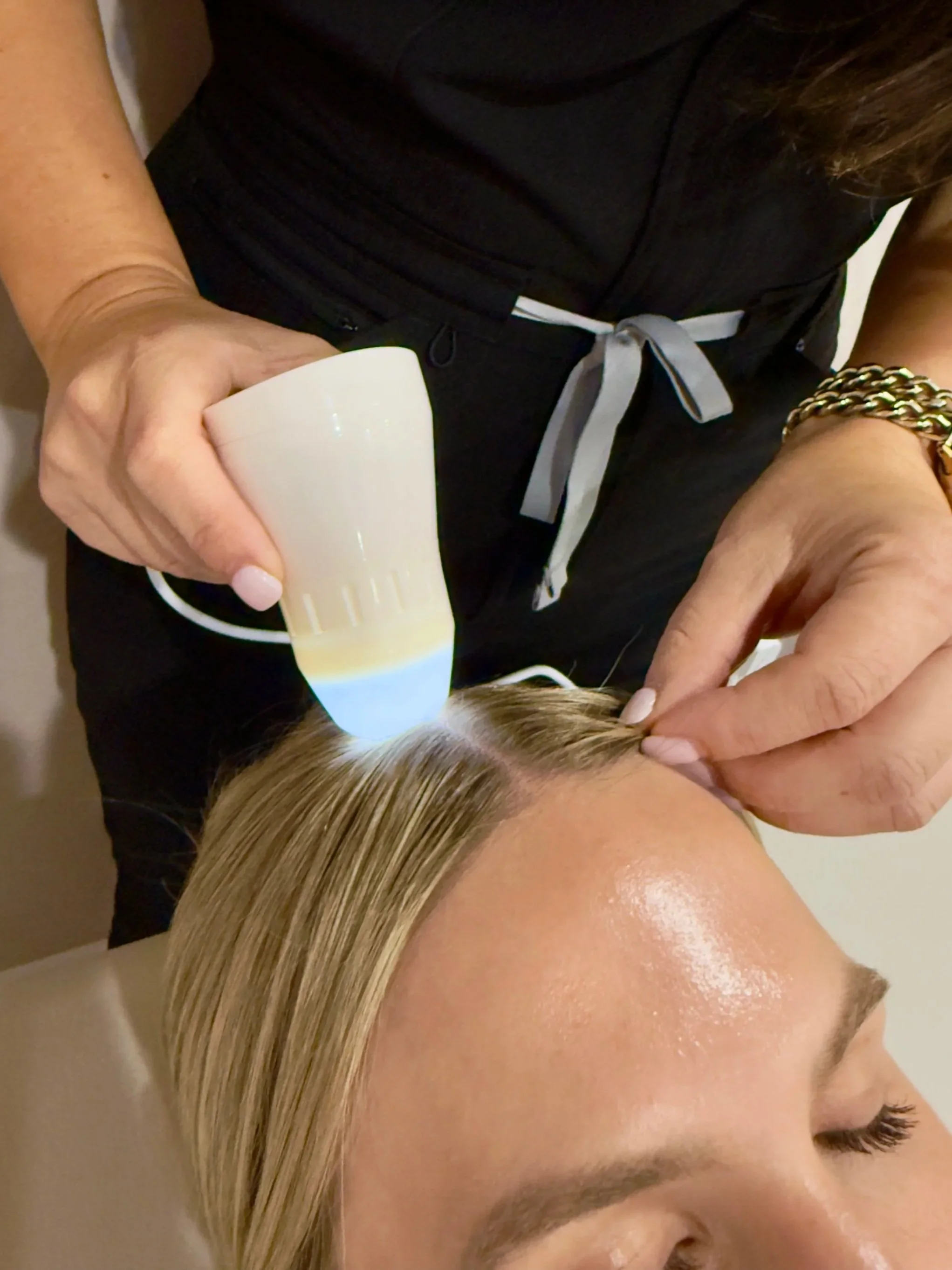
A scalp detox treatment is a professional cleansing and exfoliation service designed to remove buildup that regular shampooing may not fully address. It focuses on the scalp itself rather than only the hair strands.
Treatment may include a combination of cleansing, gentle scalp exfoliation, hydration, massage, and selected scalp health products based on your scalp condition. The goal is to create a cleaner, more balanced environment that supports the appearance of healthier hair.
Unlike a standard salon wash, a clinical scalp detox treatment is centered on scalp function, visible buildup, hydration needs, and hair loss concerns. It can be especially helpful for patients in Scottsdale who experience frequent dryness or residue related to Arizona’s climate and water conditions.
For menopause and weight loss related hair concerns, scalp detox treatment may be used as one part of a larger plan. It can help improve the scalp environment, but it does not replace evaluation of hormonal, nutritional, inflammatory, or follicle related factors.
How Does a Scalp Detox Treatment Work?
How to Detox Your Scalp Safely
At home, many people try aggressive scrubs, harsh clarifying shampoos, or frequent washing to remove buildup. However, over-cleansing can sometimes worsen dryness, irritation, or rebound oil production.
A safer approach includes:
Using scalp health products selected for your scalp condition
Avoiding heavy oils or styling products directly on the scalp when buildup is present
Washing thoroughly after workouts, swimming, or excessive sweating
Using gentle exfoliation instead of abrasive scrubs
Scheduling professional scalp cleansing when buildup is persistent or recurring
A professional scalp detox treatment can provide more precise cleansing while helping patients avoid products that are too harsh for their scalp.
Can a Scalp Treatment Support Thinning Hair?
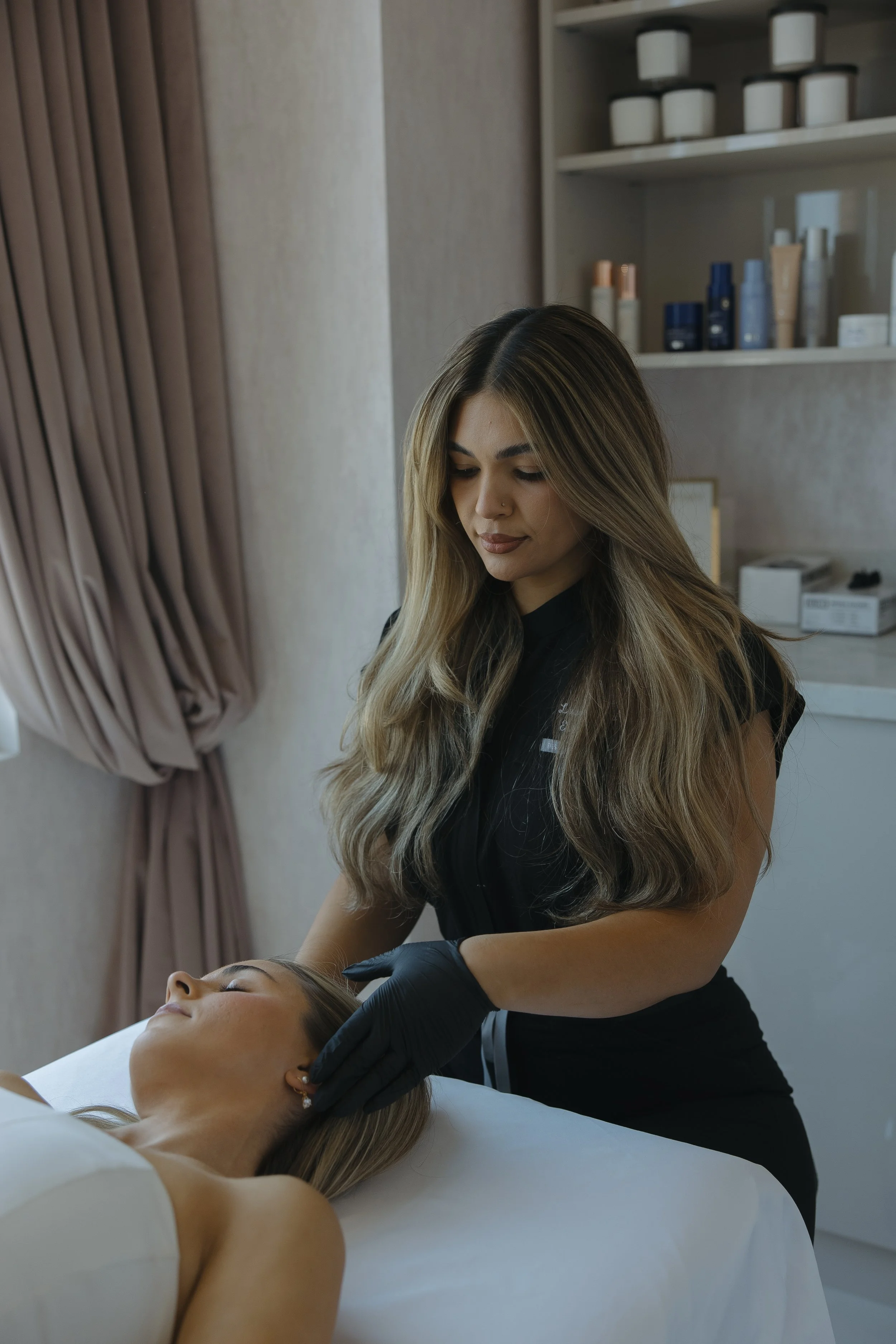
A scalp health treatment can support thinning hair when buildup, inflammation, dryness, excess oil, or poor scalp hygiene is contributing to the overall appearance of hair density. It does not replace medical hair loss treatment when there is an underlying condition affecting the follicles.
At Chrysalis Skin & Scar, scalp care may be incorporated into a broader hair restoration plan for eligible patients. Hair restoration options may include PRP, biologics, scalp mesotherapy, microneedling, radiofrequency, and clinically selected products for scalp health.
The right approach depends on whether the concern is primarily scalp buildup, temporary shedding, female pattern thinning, traction related hair loss, hormonal changes, inflammation, or a scarring alopecia.
Professional scalp cleansing and scalp exfoliation may be beneficial before PRP or microneedling for hair loss because it helps remove surface buildup and allows the scalp to be assessed more clearly before treatment.
A clean scalp can also help patients begin their hair restoration plan with better at home scalp care habits. However, scalp detox treatment is not required for every patient before PRP or microneedling.
Your consultation should determine whether scalp cleansing, topical scalp health products, PRP, microneedling, or another option is most appropriate for your goals.
Scalp Care Before PRP and Microneedling for Hair Loss
The best products for scalp health depend on whether your primary concern is dryness, flakes, oil buildup, product residue, sensitivity, or thinning hair. Using random scalp products can create more irritation or buildup when the formula is not right for your scalp condition.
Your home scalp care recommendations may include:
Gentle cleansing products for frequent buildup
Hydrating scalp treatments for dryness and visible flakes
Lightweight products that do not leave residue at the roots
Targeted topical options for hair thinning support
Products selected to complement in office scalp treatments
Chrysalis Skin & Scar may recommend clinically supported scalp health products as part of a broader hair restoration plan. The practice’s hair services include topical options, biologics, microneedling, and radiofrequency support based on the patient’s needs.
Scalp Health Products for Home Care
Hair thinning should be evaluated when it is sudden, rapidly progressing, associated with scalp pain or inflammation, or creating visible changes in density around the part line, temples, crown, or hairline.
A medical hair loss evaluation is especially important when you notice:
Sudden or excessive shedding
Patchy hair loss
Scalp tenderness, burning, redness, or scaling
Hair loss after illness, surgery, medication changes, or hormonal changes
A widening part or visible scalp at the crown
Signs of traction related or scarring hair loss
Chrysalis Skin & Scar treats a range of hair loss concerns, including female pattern hair loss, traction alopecia, hormonal related thinning, inflammation related hair loss, and certain scarring alopecias. Results vary, and treatment recommendations depend on the cause of hair loss and overall scalp condition.
When Should Hair Thinning Be Evaluated Medically?
Why Choose Chrysalis Skin & Scar for Scalp Care?
Chrysalis Skin & Scar is a paramedical clinic focused on clinically directed care rather than surface level cosmetic services. Our team combines scalp care with a deeper understanding of hair loss, wound healing, biologics, and energy based treatment options.
For patients who need more than a basic scalp cleansing treatment, this allows for a clearer path forward. Your plan can address immediate scalp problems while also identifying whether hair restoration support may be appropriate.
Schedule a consultation to explore scalp health treatment, scalp detox options, and hair restoration support in Scottsdale.
Scalp Treatment FAQ
-
Yes. Scalp buildup can make hair look flatter, heavier, and more separated at the roots, which can create the appearance of thinner hair. Oil, dry skin, styling products, and environmental residue may also make the scalp more visible. A scalp detox treatment can help remove buildup, although ongoing thinning should still be evaluated to determine whether hair loss treatment is needed.
-
Yes. Menopause can contribute to hair thinning because hormonal changes may affect the hair growth cycle and reduce visible density over time. Many patients notice a wider part, thinner hair at the crown, increased shedding, or changes in texture. A clinical evaluation can help determine whether menopause related hair loss may
-
Arizona hard water can contribute to mineral residue on the scalp and hair, especially when combined with styling products, sweat, and dry climate conditions. Some patients notice that their hair feels dull, heavy, dry, or difficult to cleanse fully. Professional scalp care and the right scalp health products can help manage buildup without over drying the scalp.
-
A scalp detox treatment can help remove excess oil, product residue, and surface buildup that may contribute to flakes or an unbalanced scalp. It can also include hydration focused care when dryness is present. Persistent flakes, itching, redness, or thick scale should be evaluated because they may require more than routine scalp cleansing
-
Scalp exfoliation may be helpful before PRP or microneedling for hair loss when visible buildup is present. It can create a cleaner treatment area and help the clinical team assess scalp condition more clearly. However, patients with irritation, active inflammation, or certain scalp disorders may need a different approach before beginning treatment.
-
A scalp treatment can support thinning hair when buildup, dryness, excess oil, or poor scalp condition is affecting the appearance of density. It does not reverse every form of hair loss or replace medical evaluation for follicle related conditions. A consultation can determine whether scalp care, PRP, microneedling, biologics, radiofrequency, topical products, or another option may be appropriate.
-
The ideal frequency depends on your scalp condition, hair care routine, styling habits, and whether you are also receiving hair restoration treatment. Some patients benefit from periodic scalp detox treatment, while others may only need it before starting a more comprehensive scalp care plan. Your recommendations should be based on visible buildup, dryness, oil production, and hair thinning concerns.
-
Hair thinning needs medical evaluation when it is sudden, patchy, progressing quickly, or accompanied by scalp symptoms such as burning, redness, pain, or scaling. It is also important to seek evaluation when you notice a widening part, receding hairline, crown thinning, or significant shedding after illness or hormonal changes. Early assessment can help identify whether scalp care alone is enough or whether a more comprehensive hair restoration plan is needed.