
Scar Treatment Center of Excellence
At Chrysalis Skin & Scar in Gilbert and Chandler, AZ, our scar treatment is approached as a medical transformation, not a surface concern.
Our Scar Treatment Center of Excellence brings together advanced laser scar treatment, collagen remodeling, and paramedical tattoo to help improve the appearance, color, texture, and softness of scar tissue.

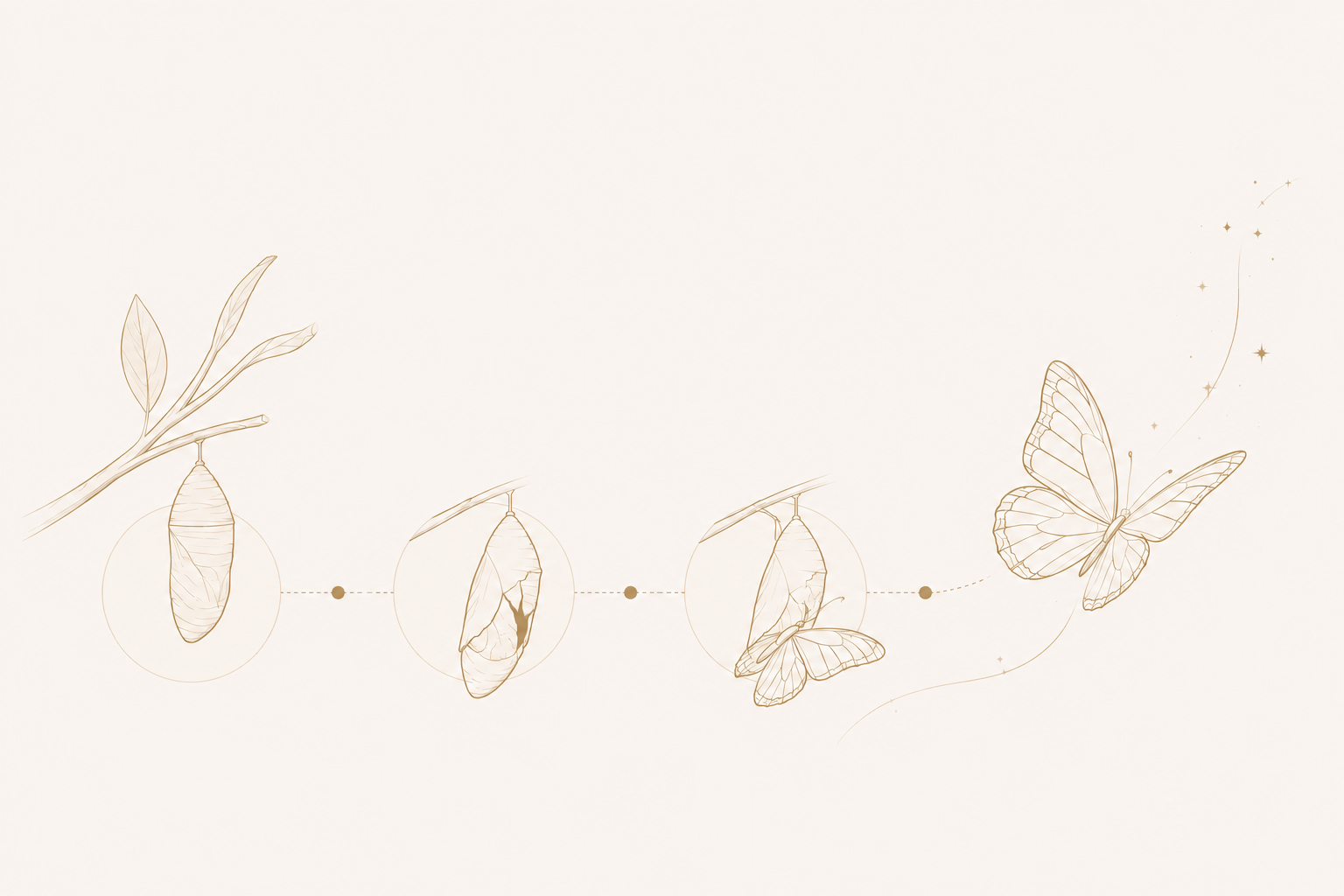
Day 1 - Starting Scar Treatment
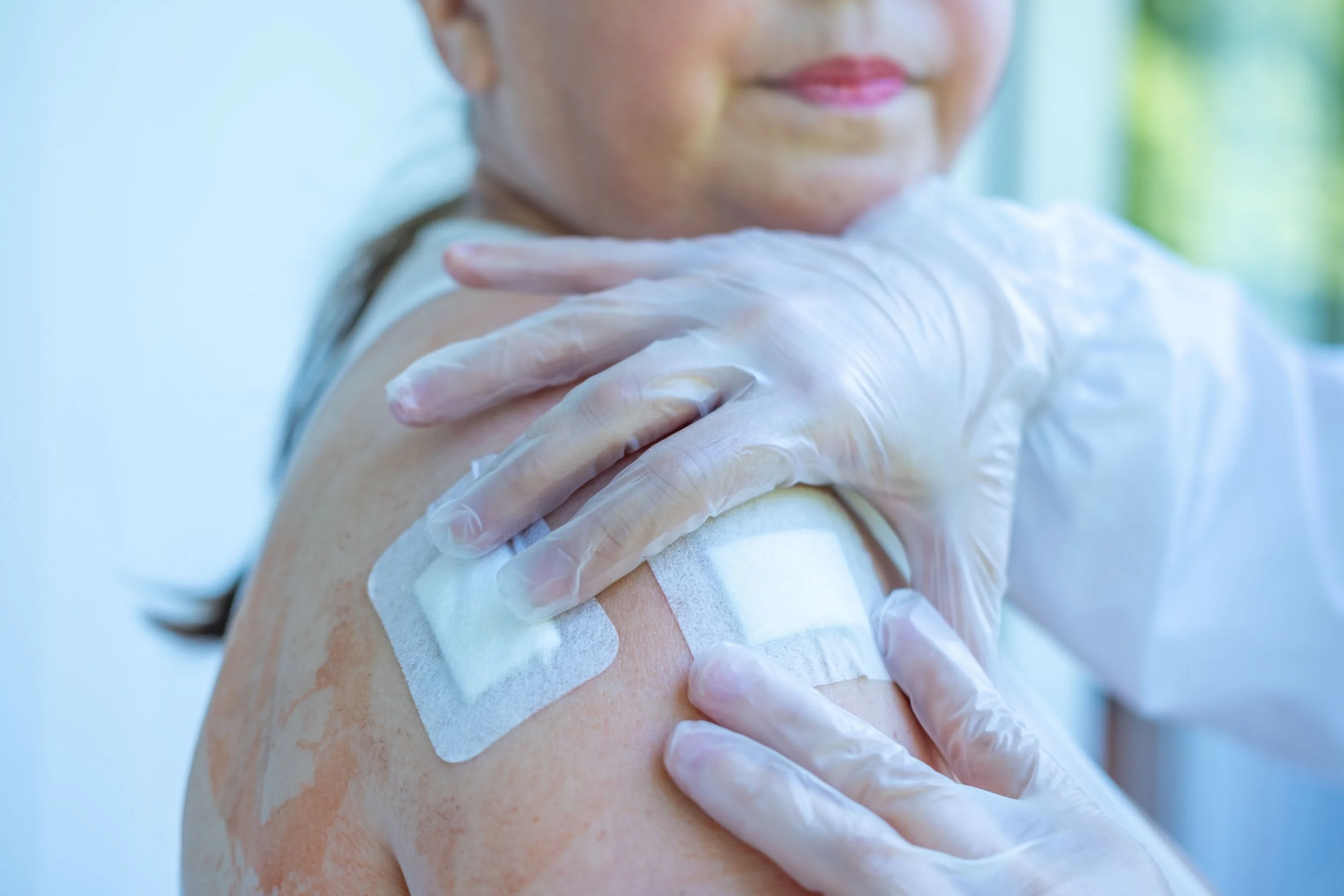
Due to our extensive experience with wound healing, scar care may begin as early as the first day after surgery with UltraMist, lymphatic drainage support, a non contact, non thermal ultrasound treatment used during the wound healing phase.
This early support is designed to encourage healthier healing and help reduce the risk of excessive scar formation.
Day 3 - During Recovery:
Healing Phase Scar Support
As the incision continues to heal, UltraMist may help support
microbial reduction, circulation, angiogenesis, and collagen
remodeling while the tissue is still changing.
This can be especially valuable for patients recovering from
plastic surgery, C-section, mastectomy, orthopedic surgery,
Mohs surgery, and other procedures where scar outcome matters.
Around 3 Months:
Active Scar Revision
Once durable wound closure is reached, often around the 3 month mark, active scar revision may begin.
At this stage, your provider may recommend laser scar revision with UltraClear, Laser-Coring for raised or thickened scars, microneedling, radiofrequency, biologics, lymphatic drainage, or paramedical tattoo when appropriate.

Chrysalis Skin & Scar treats a wide range of scars across the face and body, including:

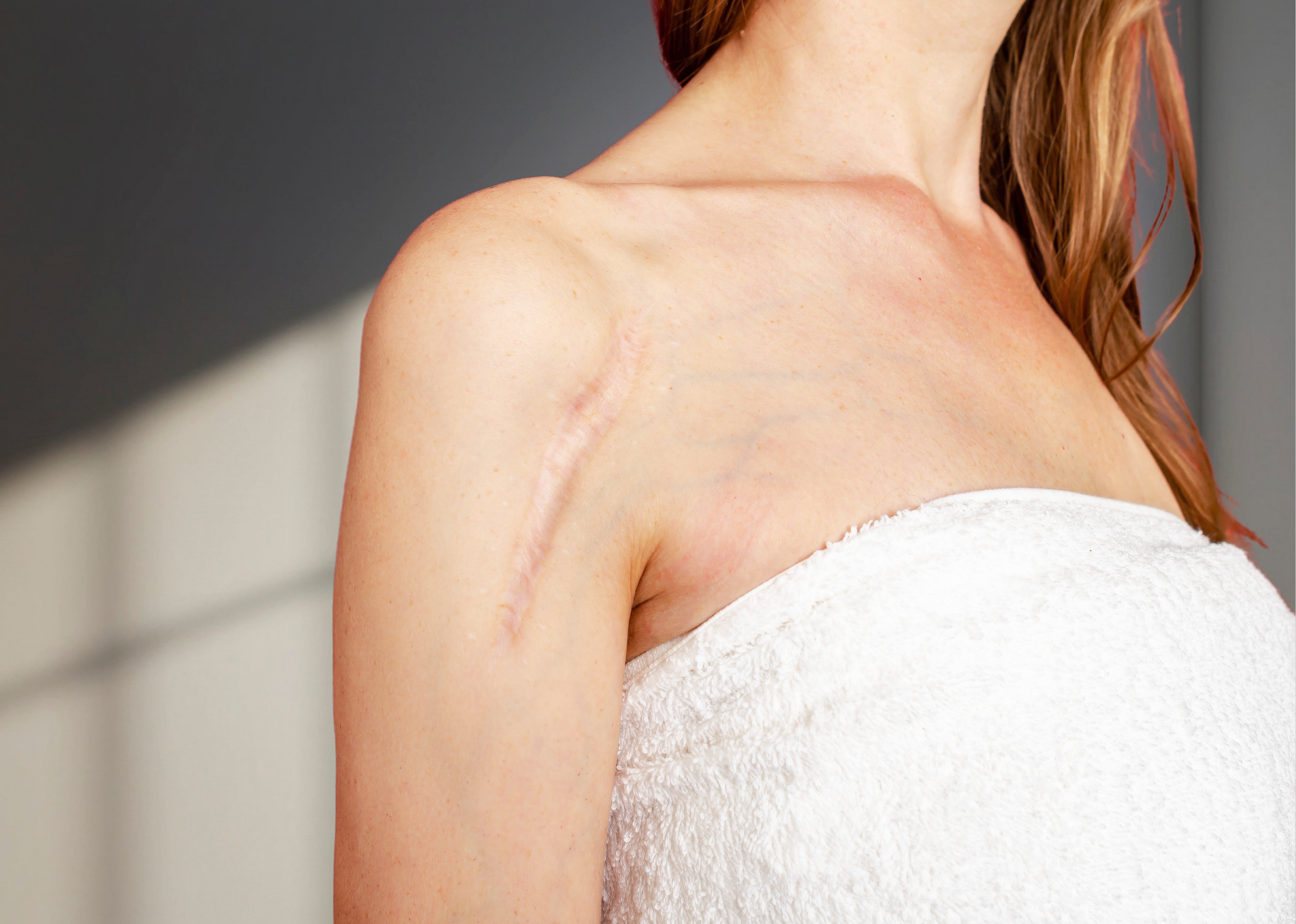
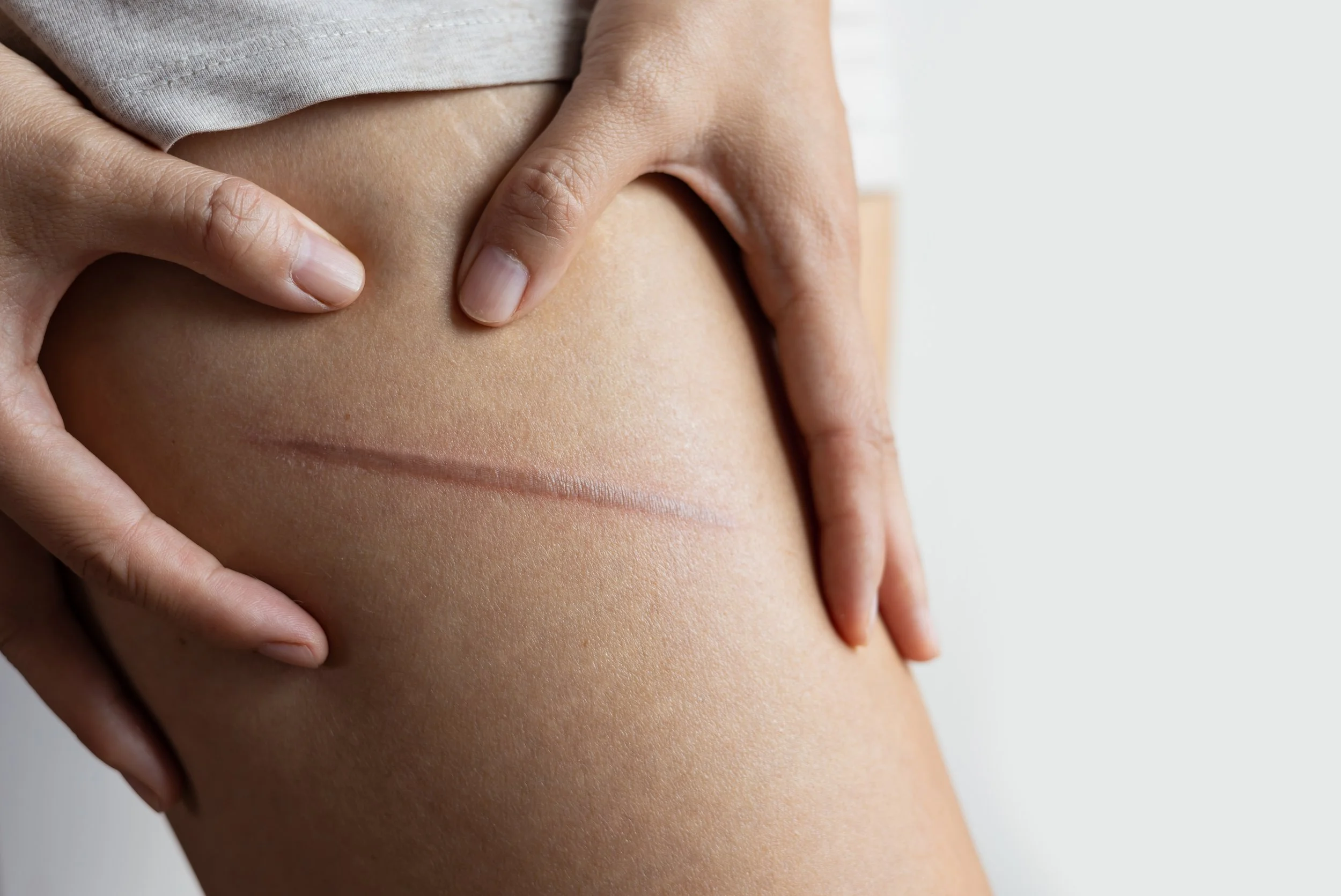
Surgical scars
Plastic surgery scars
C-section scars
Mastectomy scars
Knee replacement scars
Post Mohs surgery scars
Acne scars
Burn scars
Trauma scars
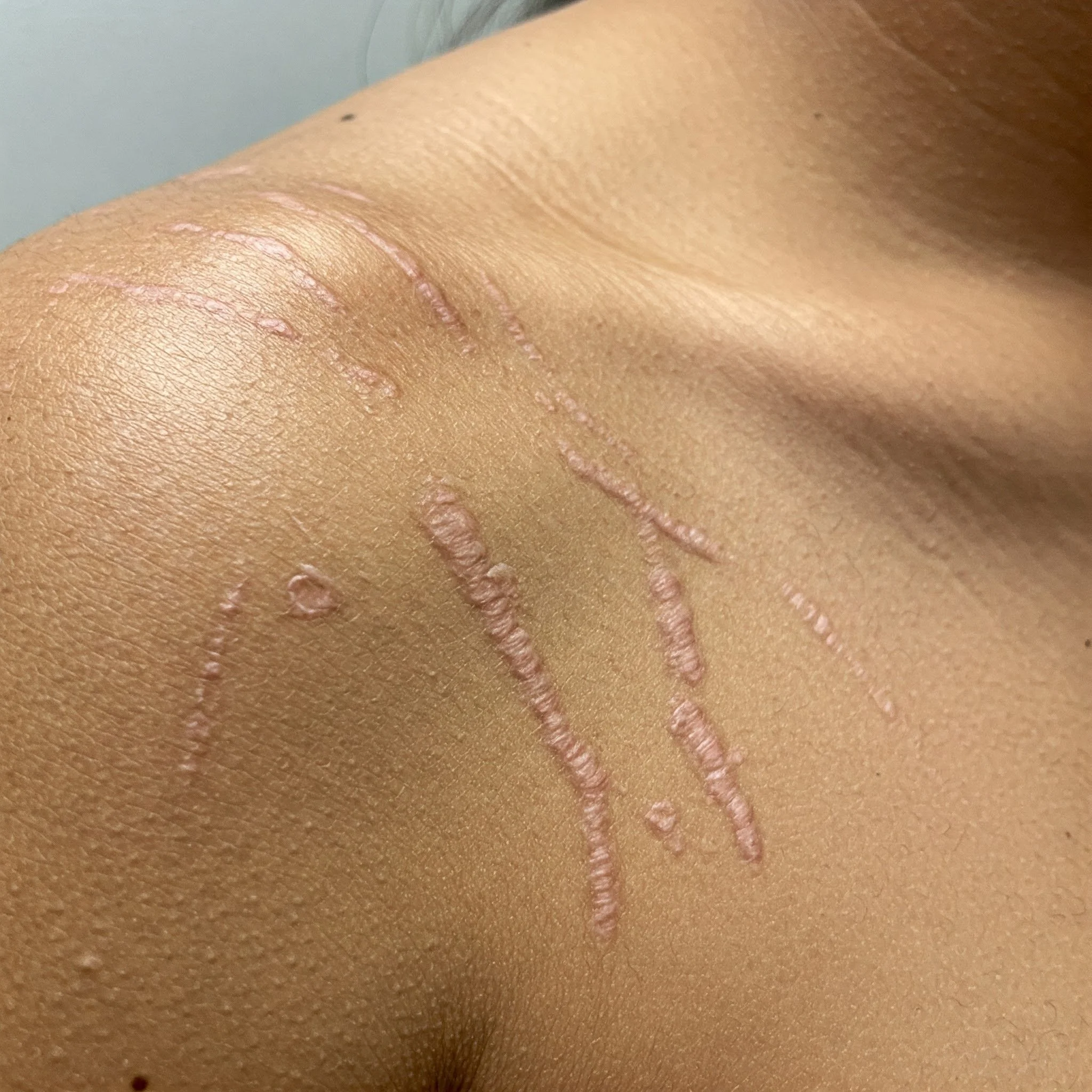
Keloid scars
Hypertrophic scars
Hyperpigmented scars
Radiation burns
Self-harm scars
Each scar is evaluated based on its age, depth, texture, color, location, and tissue behavior so your provider can recommend the most appropriate scar treatment options.
Our Scar Treatment Approach

No two scars heal the same way, which is why effective scar treatment begins with a detailed clinical evaluation. At Chrysalis Skin & Scar, we assess the scar’s age, depth, color, texture, thickness, location, and how it affects the surrounding tissue.
From there, your provider may recommend a combination of scar revision techniques designed to improve tissue quality from the inside out. This may include laser scar treatment with UltraClear, a 2910 nm cold fiber laser representing the latest available technology in scar revision, Laser Coring for thickened or raised scars, microneedling, radiofrequency, and camouflage tattooing when the scar is ready for final color blending.
Rather than treating only what is visible on the surface, our approach focuses on collagen remodeling, tissue pliability, scar color, and long-term improvement. This allows patients to receive care that is clinically guided, comprehensive, and built around the way their scar is healing.
Advanced Scar Revision Techniques We Offer
Chrysalis Skin & Scar offers a comprehensive range of scar revision techniques to address different types of scar tissue. Depending on your evaluation, your plan may include one or more of the following treatments.
Laser scar treatment: Laser treatment for scars may help improve scar texture, tone, thickness, and collagen remodeling.
Laser-Coring: Laser-Coring may be used for selecting raised, thickened, keloid, or hypertrophic scars to help remodel dense scar tissue
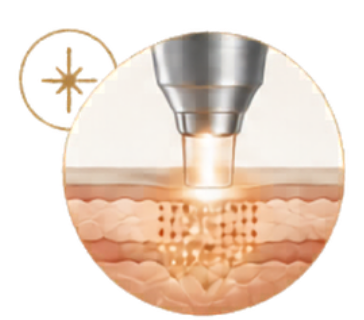
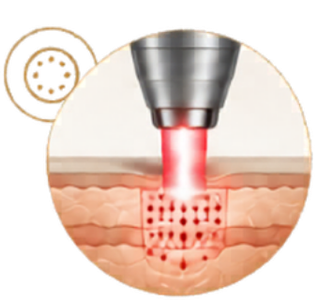
Microneedling: Microneedling creates controlled micro channels that support collagen remodeling and improve skin texture.
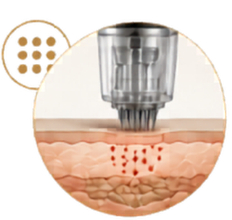
Radiofrequency: Radiofrequency uses energy-based tissue remodeling to support scar softening and improved pliability.
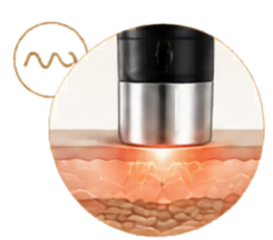
Advanced Biologics: Biologics may be used to support tissue quality and improve the healing environment.
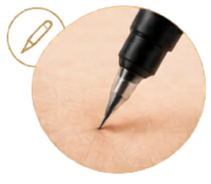
Paramedical tattoo: Paramedical camouflage may be used in the final stage of scar treatment to help blend color differences once the scar has matured.
What to Expect During
Your Scar Consultation
Your scar consultation is the first step in building a clear treatment plan. During this visit, your Chrysalis Skin & Scar provider will examine the scar, discuss your medical and surgical history, review your goals, and determine which treatment options may be appropriate.
Your provider may evaluate scar thickness, pigmentation, texture, mobility, sensitivity, and whether the scar is still actively changing. When appropriate, imaging or skin analysis may be used to better understand the depth and extent of the scar.
After your evaluation, you will receive a recommended plan that may include one treatment or a combination of treatments over time. Your provider will also review expected timing, number of sessions, pricing, and next steps so you can make an informed decision.
Scar Revision FAQs
-
Laser treatment for scars varies in cost based on the size, depth, age, location, and type of scar being treated. The total price also depends on whether laser scar revision is performed alone or combined with other scar revision techniques. At Chrysalis Skin & Scar, your provider will evaluate the scar during consultation and review pricing before treatment begins.
-
Scar treatment can begin as early as the first day after surgery when the focus is supporting wound healing and reducing the risk of excessive scar formation. At Chrysalis Skin & Scar, early care may include UltraMist to support tissue healing during the recovery phase. Active scar revision usually begins once durable wound closure has occurred, often around 3 months after surgery. Your provider will determine the safest and most effective timing based on how your incision is healing.
-
Yes, old scars can still be treated. While early intervention can be helpful, mature scars may still improve in texture, color, thickness, and flexibility with the right treatment plan. Chrysalis Skin & Scar evaluates both new and long-standing scars to determine which scar treatment options may be appropriate. It is never too late to have a scar professionally assessed.
-
Laser scar treatment can be safe for darker skin tones when the right technology, settings, and clinical judgment are used. Chrysalis Skin & Scar uses UltraClear, which allows treatment across all Fitzpatrick skin types, including skin of color. Your provider will evaluate your skin tone, scar type, pigmentation history, and treatment goals before recommending laser treatment for scars. This careful assessment helps reduce the risk of unwanted pigment changes.